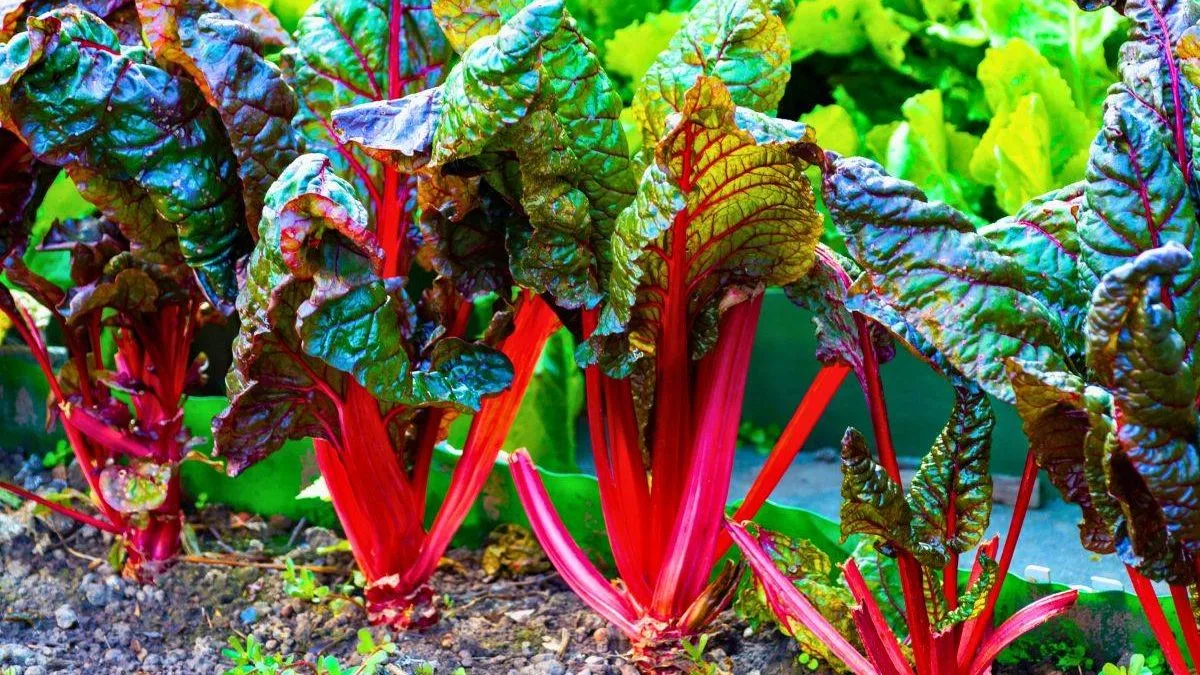
Anyone growing rhubarb must remove one part of the plant now to produce more fruit. Rhubarb plants are one of the first sweet ingredients to appear in British gardens and are easy to grow, but UK gardeners should remove one part of the crop as soon as it appears to avoid reducing their harvest.
Why Removing Rhubarb Flower Stalks Is Essential
Rhubarb is a beloved fixture in British gardens, alongside succulent tomatoes and leafy greens such as lettuce, which are fairly easy to cultivate. What sets it apart from its savoury companions is that rhubarb ranks among the earliest sweet crops to appear in UK gardens, becoming available for crumbles, jams, and compotes from April onwards. This hardy perennial flourishes in our temperate conditions with minimal shelter, though gardeners need to maintain their crop in other respects to guarantee a bountiful harvest.
The tall, vibrant stalks can be picked from April through to September, yet gardeners should not become too preoccupied with admiring the visually dramatic flower stalks that develop on the plant, especially if they are keen to produce more fruit. The Tea Break Gardener, also known as Katharine, highlights that a straightforward gardening job involving some gentle pruning is crucial for a sustained harvest.
How to Identify and Remove Rhubarb Flowers
Offering guidance on her blog, the gardening enthusiast said: "Check your plant every now and then for flower stalks. You will want to remove these to prevent the plant from diverting its attention to flower and seed production." Rhubarb flowers are simple to identify: they begin as a green sphere, inside which the white flowers form. The blooms can have a pink tint and look like misshapen cauliflower or oversized astilbe flowers.
According to an article from Montana State University, regardless of whether you appreciate their appearance, they are best removed as soon as they emerge. Allowing flowering stalks to develop fully will drain nutrients from the petioles, edible stalks, and roots, diverting them to the seedpods instead.
Preventing Bolting and Ensuring a Good Harvest
Applying mulch around the rhubarb's base before hot weather, while keeping the soil evenly moist, can help prevent bolting — when the plant produces flower stalks rather than edible stems. Since rhubarb thrives best in cooler temperatures, a bit of forward planning will help stop flowers from emerging too quickly before summer's heat arrives.
Edible stems already growing remain unaffected by flowers and are perfectly safe to eat. The Tea Break Gardener notes that rhubarb can be picked "whenever it looks ripe", usually when the stems are long, dark red in colour, and streaked green with fully-unfurled leaves.
When to Stop Picking and How to Harvest
While some plants may continue producing fruit into September, the gardening expert recommends that anyone cultivating rhubarb should cease picking in August. This allows the plant to "recover" for the year ahead. When harvesting the stems, simply reach down towards the base and give the rhubarb stalk a sharp tug upwards with your hands to pull it cleanly out of the ground — no knife required.
Gardeners should "never remove all the stems from a plant", but rather, leave some behind to "feed" what is still developing. By autumn, the leaves on rhubarb plants will quickly droop and turn black. This signals it is time to prepare the crown for the dormant season. Simply peel away the leaves with care and add them to your compost heap. Although toxic if consumed, they will cause no damage to your compost.






