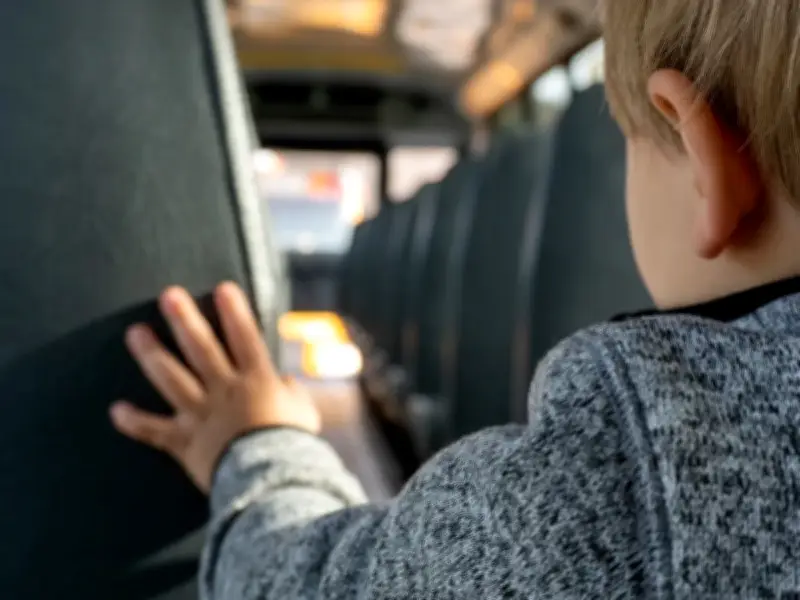
Northumberland County Council is set to consult on plans to cut transport funding for school children who attend faith schools outside of their local area. The local authority is required to make significant savings from the £26 million annual cost of providing home to school transport.
Currently, 425 children are provided with free transport on faith grounds to a school outside of their "transport priority area". This costs the council almost £1 million a year at present, equating to almost £2,300 per pupil.
What is a transport priority area?
A transport priority area is defined as children living beyond the statutory walking distance from their nearest school. This is two miles for children up to the age of eight and three miles for those aged eight and above.
Almost all local councils across the country have withdrawn the offer of transport on such grounds. Among the few exceptions are neighbouring Cumberland Council, which charges £655 a year.
No immediate impact on current pupils
None of the children currently receiving free transport to a faith school will have their transport taken away. If the changes are approved, however, once they leave their current school it will cease, and no further children will be eligible in the future.
Speaking at Tuesday's meeting of the council's cabinet, council leader Glen Sanderson said: "School transport is a very large area of expense for the council, costing around £26 million a year.
"If this is agreed, it will not affect those children currently in the system. They will continue until they have finished at that school.
"At the budget in February we agreed we would have to find savings of £1.5 million out of that. We didn't want to do that, but like all the savings we have had to make, it is on the back of a Government settlement that doesn't meet the needs or the aspirations of the council.
"Some of those savings have already been made through efficiencies. However, we need to look at denominational transport and the policy that we have for that.
"We want to consult on how we move forward with that. There are 425 young people who are being paid to travel to a school of their choice through religious or faith beliefs.
"We are about the only council left in the country who provide this service. We would much prefer to keep it, but we simply can't because of the cuts we have had.
"We are in a position we would rather not find ourselves in."
Cabinet approval
The plans were unanimously approved by the cabinet.