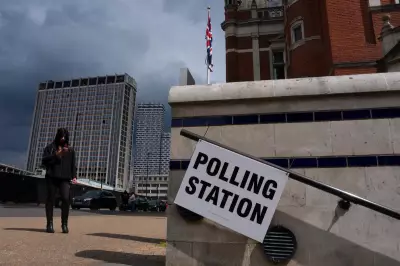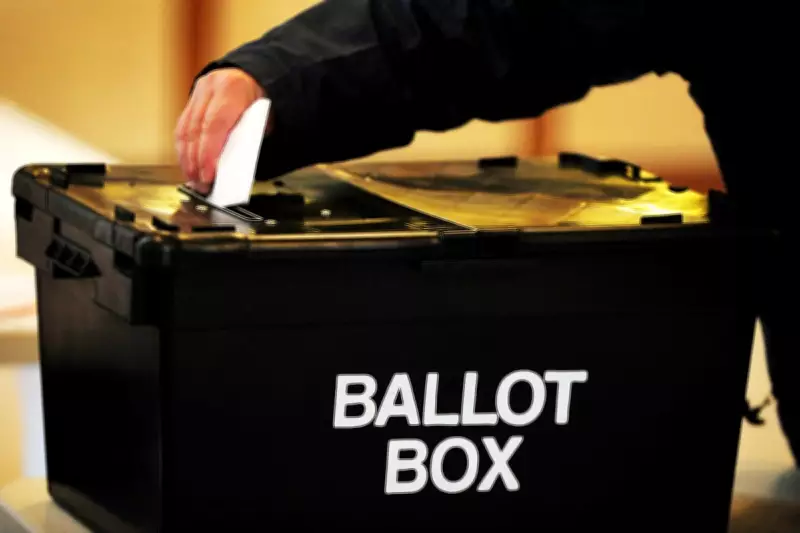
Labour could suffer its worst-ever performance in the upcoming local elections, with projections suggesting the governing party may lose more than 1,000 seats. Over 5,000 council seats will be contested in England on Thursday, 7 May, in what is seen as a decisive test for Prime Minister Sir Keir Starmer's leadership.
Forecasted Losses and Gains
Pollsters warn of a "calamity" for both Labour and the Conservatives. Professor Stephen Fisher of the University of Oxford estimates Labour will lose 1,900 councillors—a 74% drop in the seats it is defending—while the Conservatives could lose 1,010. Reform UK is predicted to gain 2,260 councillors, tripling its local representation, followed by the Greens (+450) and Liberal Democrats (+200).
Key Battlegrounds
In London, all 32 boroughs hold elections. Labour currently controls 21 councils, but the Greens and Reform are projected to make significant inroads. YouGov polling suggests the Greens could top the vote in Lewisham and Lambeth, while Reform could lead in three councils. Labour sources describe expectations of a "bloodbath" in Islington, and Green sources anticipate taking Hackney.

Outside London, cities like Birmingham, Manchester, Newcastle, and Wolverhampton—traditional Labour strongholds—face uncertain outcomes. Britain Elects polling indicates Reform could win the most seats in Wakefield, Sunderland, and Thurrock, while the Greens have strong prospects in Sheffield.
Leadership Implications
Political scientist Sir John Curtice described the elections as a "remarkable calamity" for the government. He noted that Labour voters are defecting primarily to the Greens, followed by the Liberal Democrats and Reform. Calls for Sir Keir's resignation have intensified following the controversial appointment of Peter Mandelson as US ambassador, and a poor local election result could trigger a leadership challenge. Andy Burnham, the Manchester mayor, is seen as the most popular potential successor.
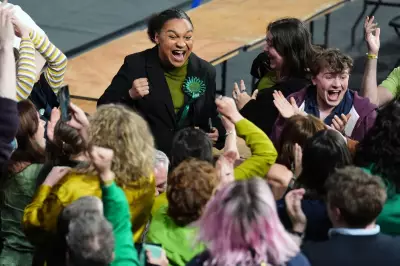
The Greens, led by Zack Polanski, have positioned themselves as a left-wing alternative to Labour, while Reform UK, under Nigel Farage, aims to capitalise on discontent with both major parties. With both parties contesting over 90% of wards, the political landscape is set for a dramatic shift.