In Wagga Wagga, a regional city in New South Wales, a newborn baby died this month after being born in a tent by the Murrumbidgee River. The mother had been living there for months, lacking access to basic amenities. This tragedy underscores the deepening homelessness crisis in Australia, where a severe housing shortage has left many sleeping rough in parks and riverbanks.
The Reality of Homelessness in Regional Australia
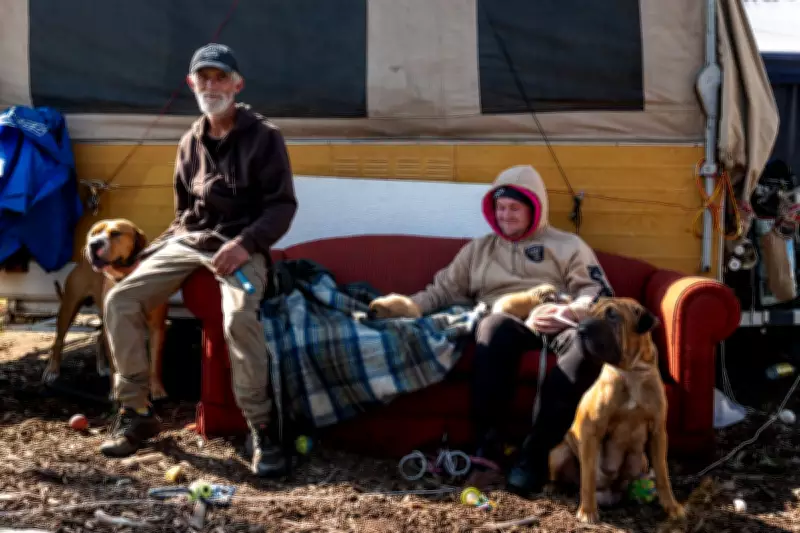
Lincoln Curtis, a 23-year-old who has worked in mines and carnivals, is now homeless in Wagga Wagga. He has been on the social housing waitlist for two months and has been told he will wait five to seven years. He says the root cause is simple: "There aren't enough houses." His friend John Bryce has been on the waiting list for seven years and lives in a tent at Wilks Park with his two dogs, refusing to give them up for temporary accommodation. "Where else am I supposed to go?" he asks.
Rising Rough Sleeping Numbers
Data from the Australian Housing and Urban Research Institute shows that rough sleeping is increasing faster in regional areas than in cities on a per-capita basis. Michael Fotheringham, the institute's director, notes that while more people are homeless in capital cities, the rate is higher in remote and regional areas. In these regions, overcrowding is a major factor, particularly in the Northern Territory, and a large proportion of homeless people live in camps.

Strained Services and Unaffordable Rents
Services in Wagga Wagga are overwhelmed. Edel Quinn, a shelter run by St Vincent de Paul, has 16 rooms that are always full. Manager Damien Adams reports that they send about 100 meals to encampments weekly and supported 234 people last year. The biggest challenge is rent: people on government payments like JobSeeker ($736 per month) cannot afford the lowest rent in Wagga ($380 per week). An Anglicare Australia report found that not a single rental in the Riverina region was affordable for someone on JobSeeker, and less than 2% were affordable for a minimum-wage worker.
Stories from the Encampments
Julie, a 45-year-old former security guard with PTSD and a shoulder injury, has been living in her caravan at Oura Beach for three years after being rejected for social housing due to her medical needs. She says the rejection letter stated she could not "live independently without supports." After a television segment claimed the camp was dirty and unsafe, the camp has faced harassment from locals. "People just don't want to see homeless people," she says.
Calls for Action
Community members in Wagga Wagga are demanding change. At a recent meeting, residents proposed immediate solutions like fresh drinking water and 24-hour toilets, as well as systemic changes such as more social housing and reforms to negative gearing. NSW Premier Chris Minns announced a cross-agency group to help rough sleepers access permanent housing. Dominique Rowe, CEO of Homelessness NSW, warns that without sustained investment in social housing and services, more tragedies will occur. "People should not be living in a tent without access to clean water in one of the wealthiest nations on Earth," she says.