Disabled Dad Faces Sleepless Nights After 176% Council Tax Hike
Disabled Dad's 176% Council Tax Hike Causes Sleepless Nights

Disabled Dad Faces Sleepless Nights After 176% Council Tax Hike

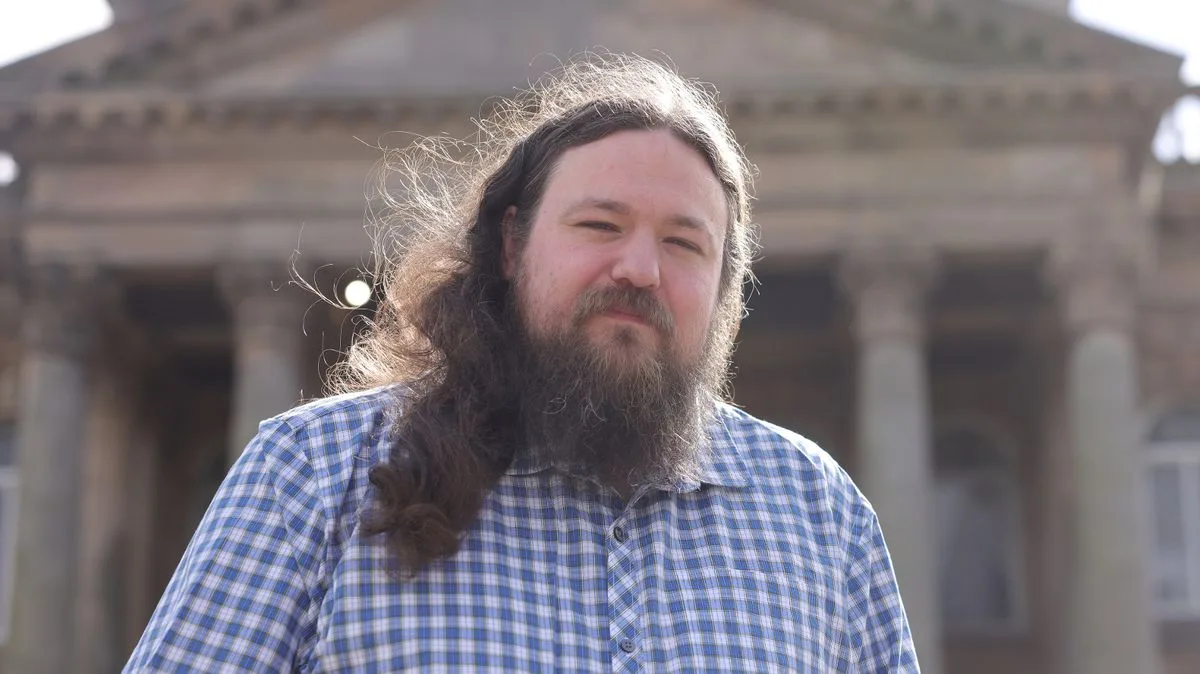
A disabled father from the Wirral has described how a dramatic increase in his council tax bill has left him unable to sleep, adding immense stress to his life as he struggles with a severe medical condition.

Financial Burden Outstrips Benefits

Kurzon Morris, 44, from Birkenhead, suffers from myalgic encephalomyelitis, commonly known as chronic fatigue syndrome, alongside his wife. The condition causes debilitating symptoms including extreme tiredness, sleep disturbances, brain fog, and joint and muscle problems, rendering him unable to work.

Previously, the couple had their entire council tax bill covered under a Wirral Council support scheme for low-income residents. However, following a £4 million cut to the programme, his monthly payment has skyrocketed from £25 to £69.50—a staggering 176% increase.

Wide Pickt banner — collaborative shopping lists app for Telegram, phone mockup with grocery list

This hike has far exceeded any cost-of-living adjustments to his disability benefits, leaving him with an additional £17 monthly charge from prior-year debt. The financial strain has forced Kurzon to divert funds meant for maintaining his electric scooter, a crucial mobility aid, and consider reducing medication that is difficult to obtain through the NHS.

Daily Struggles and Sacrifices

To cope with the rising costs, Kurzon has implemented severe austerity measures in his household. He patches up torn clothing, purchases all items second-hand, and has relied on the generosity of other parents to acquire a necessary computer for his son.

"It keeps you up at night. It makes you feel completely vulnerable," he confessed. "If I had anything go wrong, I do not know because if the boiler or oven breaks, I will quite literally have to go into debt to live. I would have to put it on a credit card. It’s so stressful now waiting for something to happen. It’s scary to be honest."

He expressed frustration at the council's decision, stating that while he understands the budgetary pressures, "they are playing with people's livelihoods and people's health." Kurzon criticised the approach as "kicking down rather than reaching up for money," highlighting the stark economic disparities within the Wirral, which hosts both some of the wealthiest and poorest families in the country.

Council's Response and Wider Context

In 2025, Wirral Council councillors, grappling with budget constraints, voted to raise the minimum contribution from residents to 17.5% of their council tax bill. This threshold was further increased to 50% this year, impacting numerous households across the region.

Council leader Cllr Paula Basnett acknowledged the difficulty of the decision, emphasising that it was necessary due to severe financial challenges. "We are seeing costs of all of our daily services increasing including providing social care and dealing with homelessness while at the same time the funding coming into the council is falling," she explained.

The council has attempted to mitigate the impact by enhancing support for terminally ill individuals and care leavers, doubling a hardship fund, and providing online resources for those struggling with debt and council tax payments. However, Kurzon remains sceptical, noting that "unless it’s the same as the tax bill for the year, it will help a little bit but it’s not solving the problem."

Broader Implications for Vulnerable Residents

This case reflects a wider trend across the UK, as many local authorities implement similar cuts to council tax support schemes amid ongoing financial pressures. The alternative proposed for Wirral would have involved borrowing £4 million annually to maintain the previous level of assistance.

Kurzon's situation underscores the precarious position of disabled individuals and low-income families in the current economic climate. He poignantly summarised his plight: "You spend your life waiting for the next brown envelope to come through and screw up your life again with the council saying they want to take even more money off you. I know the council has to find money somewhere. I know they have bills but why does it have to be me? Why isn’t it someone who actually has money?"

Pickt after-article banner — collaborative shopping lists app with family illustration

As he continues to navigate these challenges, the emotional and financial toll remains a constant burden, illustrating the human cost of local government austerity measures.