Council Tax Burden Deepens for England's Poorest Areas as Rates Rise Again
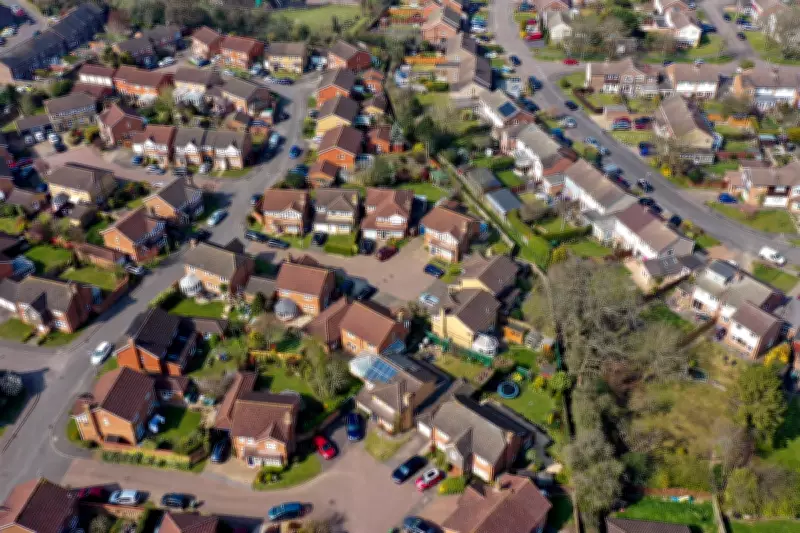
Households in some of England's most deprived regions are set to continue shouldering disproportionately high council tax bills, according to newly released official figures. The data exposes a stark geographical divide, with residents in metropolitan areas across the North and Midlands facing significantly higher charges than those in other parts of the country.
Regional Disparities in Council Tax Charges
For the 2026/27 financial year, the average annual council tax for a Band D property in metropolitan areas stands at £2,409. This contrasts sharply with London boroughs, which include both affluent and less prosperous communities, where the average bill is £2,068. Further analysis reveals that households under unitary councils will pay an average of £2,490, while those served by county-wide councils face charges of £2,452.
Across England, the average Band D council tax is projected to reach £2,392. This represents a substantial increase of £111, or 4.9 per cent, from the previous year's figures. The Ministry of Housing, Communities & Local Government confirmed these numbers incorporate all additional levies, including adult social care, parish precepts, and costs from police, fire, and regional authorities where applicable.

Political Dimensions of Tax Increases
This marks the fourth consecutive year that England-wide council tax increases have averaged around 5 per cent. A detailed breakdown by political control shows the 19 councils run by the Liberal Democrats, either with majority or minority control, imposed the highest average core council tax increases of 5.17 per cent.
This figure is influenced by Government-approved increases of 8.99 per cent in Shropshire and 7.48 per cent in Windsor & Maidenhead. The median average increase for Lib Dem-controlled councils stands at 4.99 per cent. Meanwhile, the 78 councils controlled by Labour increased bills by a mean average of 4.79 per cent, while the 26 Conservative councils pushed up bills by 4.92 per cent.
Of the 384 authorities required to hold a referendum if proposals for council tax exceed a certain threshold, 274 used the maximum flexibility available to them. This represents a decrease of 21 on the previous year's figure.
Political Reactions and Financial Realities
Shadow communities secretary Sir James Cleverly criticised the ongoing rises, stating council tax increases were "cooked up in Whitehall." He added: "Keir Starmer promised to ease the cost of living and freeze council tax, yet families now face back-to-back hikes and a total council tax take rising by £2.6 million – another broken promise."
Steve Houghton, chairman of the Special Interest Group of Metropolitan Authorities, described the funding agreement reached earlier this year as "transformative" but noted that metropolitan councils serving some of the most deprived communities continue to face exceptionally difficult financial circumstances.
"Rising demand for services, particularly adult and children's social care, alongside sustained increases in energy costs, inflation and other day‑to‑day running costs, means councils are under intense pressure simply to maintain vital services," Houghton explained. "Councils do not take the decision to raise council tax lightly but for many it is not a choice but a necessity."
Calls for Systemic Reform
A spokesperson for the Local Government Association emphasised that many councils are "acutely aware" of the financial pressures on households as they faced having to increase bills to protect services. They added: "While council tax is an important funding stream, it cannot solve the long-term pressures facing councils, raising different amounts in different parts of the country – unrelated to need."
The spokesperson concluded that significant new funding, alongside long-term reform of the local government finance system, remains desperately needed to protect the financial sustainability of councils and ensure they can deliver the services communities expect. Labour and the Liberal Democrats have been approached for comment regarding the latest figures and their implications for local government funding across England.