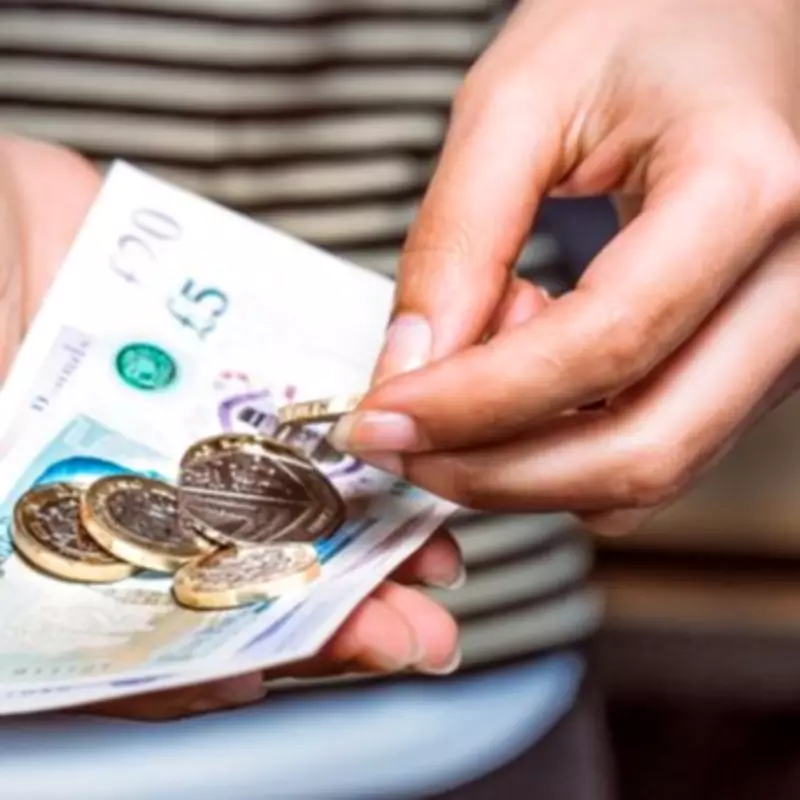
A 3.3% pay increase offered to 1.5 million council workers across Britain has been fiercely criticised by top union bosses, who have labelled the proposal as 'insulting' and a 'real terms pay cut'. The National Employers pay body for local government services, however, insists the offer is fair to both employees and the financially strained local authorities.
Union Outrage Over 'Disappointing' Pay Deal
Unison's head of local government, Mike Short, expressed deep disappointment, stating that the union's fair and affordable pay claim had not been met. He emphasised that staff deserve a decent wage rise, and senior representatives will soon convene to consider their next steps.
Clare Keogh, Unite national officer, echoed this sentiment, describing the offer as deeply disappointing and another real terms pay cut. She added that local authority workers would be angered by the Local Government Association's refusal to engage in meaningful negotiations on all aspects of their claim.

GMB national officer Stacey Booth confirmed that the union will now meet with members to discuss potential responses, highlighting the widespread dissatisfaction among the workforce.
Employers Defend the Offer Amid Financial Pressures
James Lewis, chair of the National Employers pay body for local government services, defended the 3.3% increase, noting that it would add approximately £869 million to the payrolls of 350 councils across England, Wales, and Northern Ireland. He acknowledged the additional pressure this would place on already hard-pressed council finances, as it must be funded from existing budgets.
Lewis pointed out that for the lowest-paid workers, currently earning £24,796 per annum, this offer means their pay will have increased by £7,282, or 39.72%, since April 2021. He argued that the offer is fair to employees considering the wider economic backdrop, despite the ongoing cost of living crisis.
Comparisons with Other Public Sector Pay Rises
The controversy over the council workers' pay rise comes amid similar disputes in other public sectors. Over 1.4 million directly employed NHS staff in England, Wales, and Northern Ireland are set to receive a 3.3% pay increase from April 1, following separate negotiations. Unions representing nurses have also described this figure as another below-inflation pay award and an insult, warning it leaves staff feeling ignored and undervalued.
In contrast, police officers in England and Wales up to the rank of chief superintendent received a 4.2% pay increase in September. However, the Police Federation is currently advocating for a minimum 7% pay rise for officers over the next three years, starting in 2026/27, arguing that officers have experienced a real terms pay cut of over 20% in the past 15 years.
Meanwhile, resident doctors, formerly known as junior doctors, have voted for further strikes after being offered a 5.4% pay rise, continuing a three-year dispute over demands for pay restoration.
The pay rise for council workers, based on independent pay review body recommendations, applies to a wide range of roles, including administrative staff, cleaners, and social workers. However, the ongoing debate underscores the tension between fair compensation for public sector employees and the financial constraints facing local authorities and the government.