
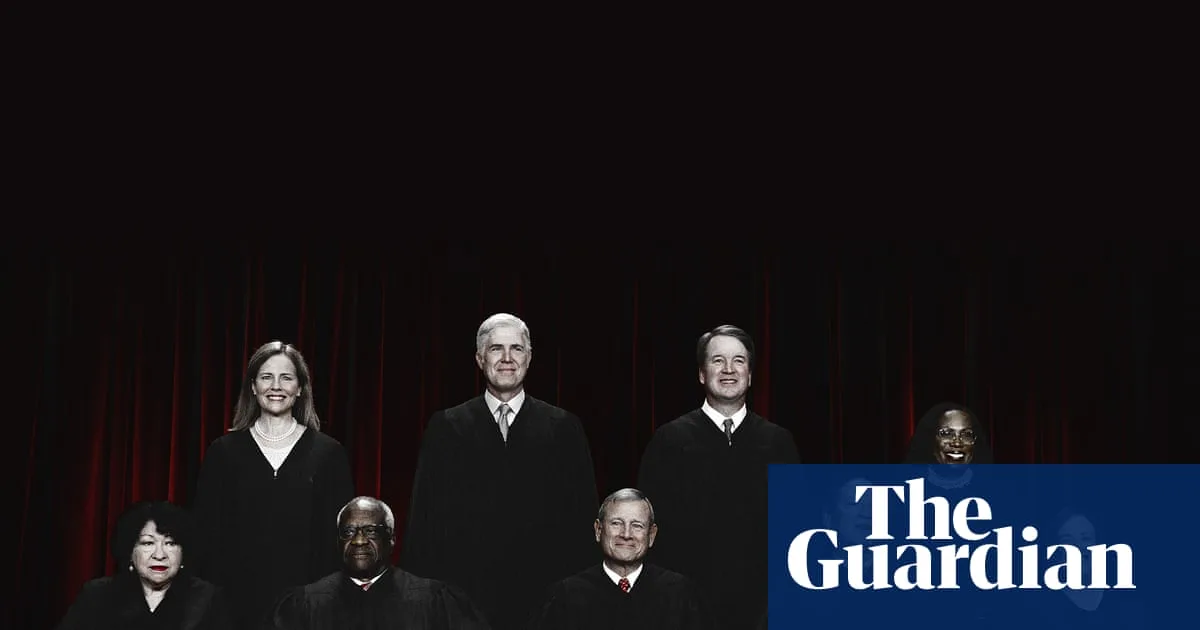
The US Supreme Court begins a highly anticipated new term on Monday, with the nation's democratic governance at stake, according to legal experts. The court, which holds a 6-3 conservative majority largely shaped by Donald Trump's nominations, has already delivered transformative rulings, including overturning Roe v Wade in 2022 and granting presidents sweeping immunity from prosecution for official acts in July 2024.
Since Trump's return to the White House, the court has sided with his administration roughly 20 times, often via its 'shadow docket'—interim rulings without full arguments. The administration has won 16 consecutive emergency applications, halting lower court decisions on deportations, firings, and racial profiling. This term, the court will hear cases on the Voting Rights Act, transgender surgery, mail-in ballot counting, and Trump's tariff powers.
Daniel Epps, a law professor at Washington University, called the term 'unprecedented' in constitutional significance, comparing it to the New Deal era. 'The more power this court gives this president, the closer we slip towards authoritarianism,' he warned. Justice Clarence Thomas hinted that long-standing precedents may be overturned, stating that precedents should be 'based on something—not just something somebody dreamt up.'




