
The UK government has launched a consultation on proposed changes that would grant unmarried couples living together new legal rights after three years of cohabitation, potentially transforming the lives of 3.5 million cohabiting couples in England and Wales. Under current law, unmarried partners have no automatic right to inherit from a deceased partner or share assets upon separation, regardless of relationship length or children.
How the 'Three Year Rule' Would Work
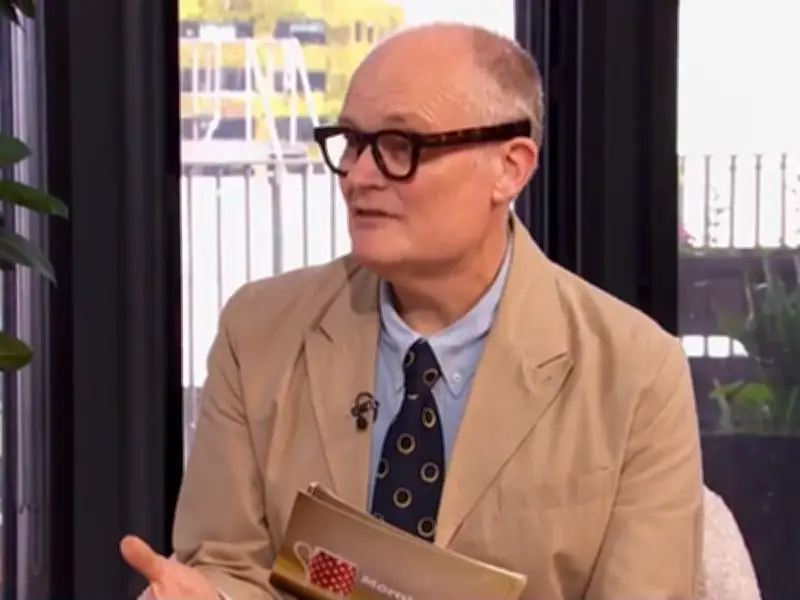
Lawyer Gary Rycroft explained on BBC Morning Live that the proposed framework would apply automatically to eligible couples who have lived together for at least three years, or who live together and share a child. Couples could opt out if both agree. The consultation document states that the framework is designed to be narrower than divorce law, preserving the distinct status of marriage.
Rycroft noted that many couples are unaware of their lack of legal protection: “If you aren’t married or in a civil partnership, then there can be something unjust happens if your partner dies or if you split up.” He highlighted that Women’s Aid found in 2024 that leaving a partner can cost about £50,000 to set up home again, and up to three-quarters of women said they stayed in relationships due to financial consequences.
Addressing Injustice and Financial Abuse
The consultation aims to provide a safety net for those trapped in abusive or financially controlling relationships. Rycroft said: “We want to put in place a kind of safety net for people who find themselves trapped in a situation. And surely that’s going to be a good thing if people are free to live the lives that they want to live.” Host Helen Skelton noted that many couples live together for five, ten, or even twenty years without marrying, reflecting changing social norms.
The consultation document says eligibility would be limited to adults in “long-term, committed and interdependent relationships” who have lived together for at least three years or share a child. As with divorce, shorter relationships would likely attract more limited awards.
Determining Cohabitation Status
Expert Paul Lewis raised questions on BBC Money Box about how the “three year clock” would start, given fluid living arrangements. Joanne Edwards, partner at Forsters and on the national committee of Resolution, said a checklist of factors would address this, including the degree of permanence, sexual relationship, and public perception. She noted similar criteria already exist in adoption legislation and in other countries.
Edwards added: “People need to be aware and decide how they want to frame their relationship and then regulate it between themselves.”
Government Consultation and Next Steps
The consultation launched on June 5 and runs for 10 weeks, closing on August 14. The government invites views from the public, legal professionals, academics, charities, and other stakeholders. Deputy Prime Minister David Lammy said: “When a relationship comes to an end, each partner should have the support and certainty they need to rebuild their life. We’re launching this consultation to make sure our new family law builds a fair system that offers the most vulnerable protection in the event of a breakup.”
Lammy emphasised that the reforms strike a balance between tradition and modernity, aiming to protect those bereaved by a partner’s death or escaping domestic abuse. The changes would affect an estimated 3.5 million cohabiting couples in the UK, double the number 30 years ago.




