
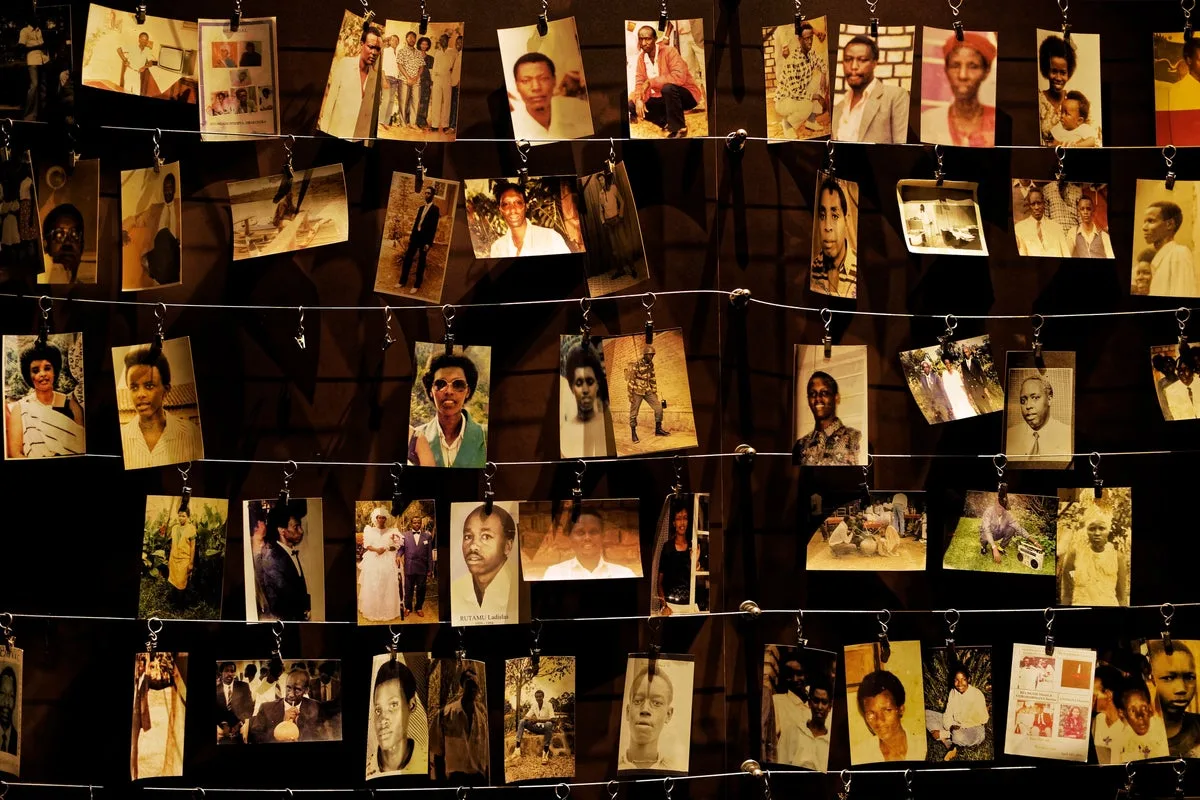
The United Nations tribunals established to prosecute atrocities from the Yugoslav wars and the Rwandan genocide held their final session on Wednesday, marking the end of a decades-long pursuit of international justice. The hearing concluded the case of Félicien Kabuga, the alleged financier of the Rwandan genocide, who died on Saturday at an estimated age in his 90s.
Presiding Judge Iain Bonomy called the session “a truly historic milestone.” Kabuga, who suffered from severe dementia, had been found unfit to stand trial in 2023 and remained in UN detention in The Hague because no country was willing to accept him. His death occurred six years to the day after his arrest near Paris in 2020, ending nearly two decades on the run.
The case was the last ongoing proceeding at the International Residual Mechanism for Criminal Tribunals, which took over from the International Criminal Tribunal for Rwanda (closed 2015) and the International Criminal Tribunal for the former Yugoslavia (closed 2017). Together, these tribunals convicted 155 people for atrocity crimes and paved the way for the International Criminal Court (ICC), established in 2002.
Lucy Gaynor, a historian at the University of Amsterdam, described the Kabuga case as “symbolic of the state of international justice,” noting that countries place limits on their cooperation. The ICC has faced sanctions from US President Donald Trump and refusals to arrest suspects like Vladimir Putin and Benjamin Netanyahu, while Italy declined to hand over a Libyan warlord last year.
For Rwandan genocide survivors, Kabuga’s death highlighted accountability shortcomings. Agnes Mukamurenzi, a survivor who knew Kabuga, said he deserved a long painful life in detention. Dr. Philibert Gakwenzire of IBUKA, the survivors’ umbrella group, stated that while Kabuga died untried, “history is the true judge.”
The residual mechanism’s mandate expires in June, with no transition plan for its remaining functions, including overseeing 41 convicted persons still serving sentences. The fate of millions of pages of evidence, including Ratko Mladic’s diaries and copies of the newspaper Kangura, remains uncertain after the US withdrew funding in January.




