
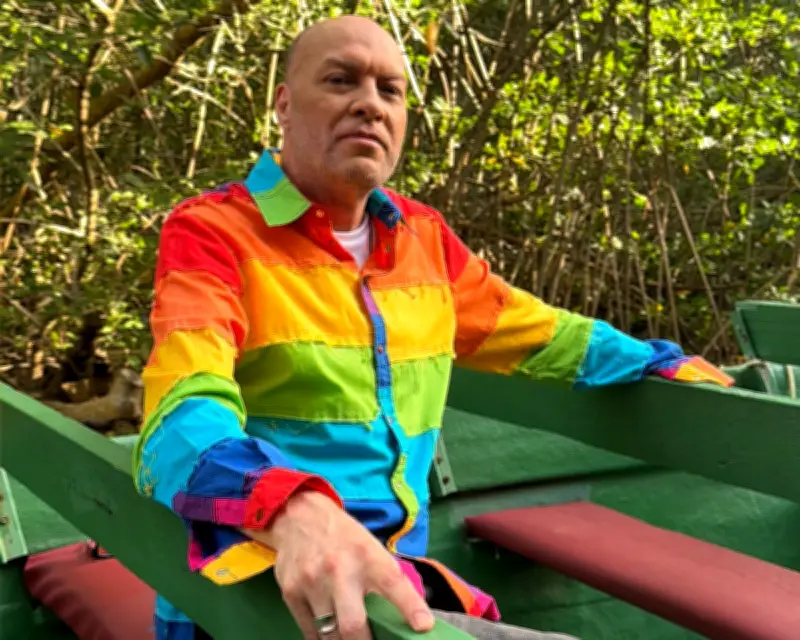
Jason Jones, an LGBTQ+ rights activist, will make legal history this week when his 11-year campaign to overturn Trinidad and Tobago's homophobic laws reaches the UK Privy Council, the Caribbean island's final court of appeal. The case marks the first time the centuries-old British institution will decide on decriminalizing same-sex intimacy.
Background of the Case
Jones's challenge targets sections of Trinidadian law derived from the British Empire's 'buggery law,' officially enacted in Trinidad in 1925 and carried into the 1986 Sexual Offences Act. In 2018, High Court Judge Devindra Rampersad ruled these laws infringed on Jones's constitutional rights to privacy and equality. However, the Trinidadian government successfully appealed, recriminalizing anal sex between consenting men.
'Britain's Buggery Act was enacted in 1533 and its slave trade began in 1562. Slavery was abolished in 1807 but we are still fighting. We are the only people still criminalised for our protected identities,' Jones said. 'I began this journey in 2015. It's been lonely. I've lost all my family and most of my friends. People said I was crazy and it was impossible.'
Support and Opposition
Despite personal losses, Jones has gained support from six Caribbean LGBTQ+ organizations and inspired Trinidad's inaugural pride event. His 2018 victory also spurred legal challenges in other countries, notably India. 'I'm nothing special,' Jones told a May meeting at parliament. 'I dropped out of college. I survived HIV. All I am is a very angry gay man. I think about all the friends and lovers I've lost over the last 40 years. This is a dream we couldn't dream back then.'
The case has drawn opposition from the Trinidad and Tobago Council of Evangelical Churches, but most Trinidadians support gay rights, according to polls. The Equal Opportunity Commission, a government body, has joined to support Jones. Trinidad has gay cabinet ministers, a transgender senator, and prominent LGBTQ+ figures.
Legal Arguments
The Privy Council's five-judge panel, including outgoing Supreme Court President Lord Reed, will interpret 'savings law clauses' that carried British laws into newly independent states. Jones's senior counsel, James Hulmes, argues that Trinidad's 1986 Sexual Offences Act repealed and replaced previous laws with harsher provisions, including extending the prohibition of anal sex to women, thus voiding savings clause protections. 'It was a new piece of legislation,' Hulmes said. 'It increased the penalties and changed the definitions in material ways. The preserved laws went out the window when Trinidad brought in fundamentally different laws.'
Former Attorney General Anand Ramlogan, who once represented the Trinidadian government, now represents Jones. He noted the 'profound historical irony' of asking British judges whether colonial-era laws 'can continue to survive under the constitution of an independent democratic nation.'
Historical Context
The laws date back to Henry VIII, when buggery was made punishable by death. Britain abolished the law in 1967 and has since pardoned those prosecuted, but it remains in former colonies. The Privy Council set a precedent last year by upholding same-sex civil partnerships in the Cayman Islands. The judgment in Jones's case is expected in September.
Jones plans to step back from advocacy after the ruling. 'I'll focus on developing programmes to train the next generation of Jason Joneses. Most activists turn to activism through desperation, not inspiration. I want to inspire.'




