
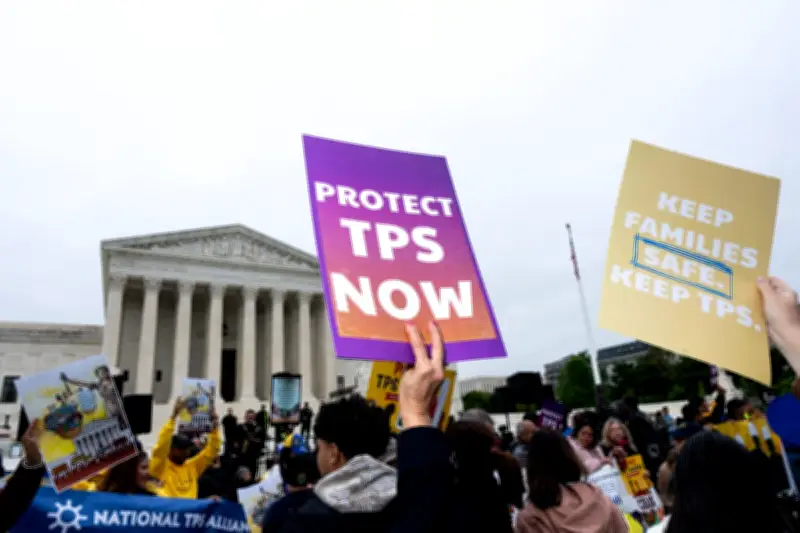
The US Supreme Court issued two major immigration rulings on June 25, 2026, reshaping key aspects of asylum and deportation law. The decisions, both split along ideological lines, will significantly alter the legal landscape for immigrants and federal enforcement agencies.
Asylum Restrictions Upheld
In the first case, the Court upheld a Trump-era policy requiring asylum seekers to wait in Mexico while their claims are processed. The 6-3 ruling affirmed the Migrant Protection Protocols (MPP), commonly known as the "Remain in Mexico" policy, which had been challenged by advocacy groups. According to the majority opinion, the policy falls within the executive branch's authority to manage immigration.
The decision reverses lower court injunctions that had blocked the program. Chief Justice John Roberts wrote the opinion, stating that the policy is a lawful exercise of discretion. The three liberal justices dissented, arguing it exposes vulnerable individuals to danger.
Deportation Protections Limited
In the second ruling, the Court narrowed protections for long-term residents facing deportation. By a 5-4 vote, justices ruled that non-citizens who entered the US illegally but later gained lawful permanent residency can be deported for certain minor crimes committed years ago.
The case involved a man who had lived in the US since childhood and was convicted of a misdemeanor. Justice Samuel Alito, writing for the majority, said the law clearly allows deportation for such offenses. The dissent argued it undermines due process and family unity.
“These decisions prioritize enforcement over fairness,” said Omar Jadwat, director of the ACLU’s Immigrants’ Rights Project, in a statement. “They will tear apart families and send people back to danger.”
Impact and Reactions
The rulings are expected to affect thousands of migrants. According to government data, over 60,000 individuals were enrolled in MPP before it was suspended in 2021. The Court’s decision allows the program to resume, potentially adding to border processing backlogs.
Immigrant advocacy groups condemned the rulings, while conservative leaders praised them. “The Court has affirmed the rule of law,” said Attorney General Merrick Garland in a press release. “These decisions ensure that our immigration system operates fairly and consistently.”
The rulings come amid a heated election season, with immigration as a central issue. Analysts predict the decisions will galvanize both supporters and opponents of stricter border controls.




