
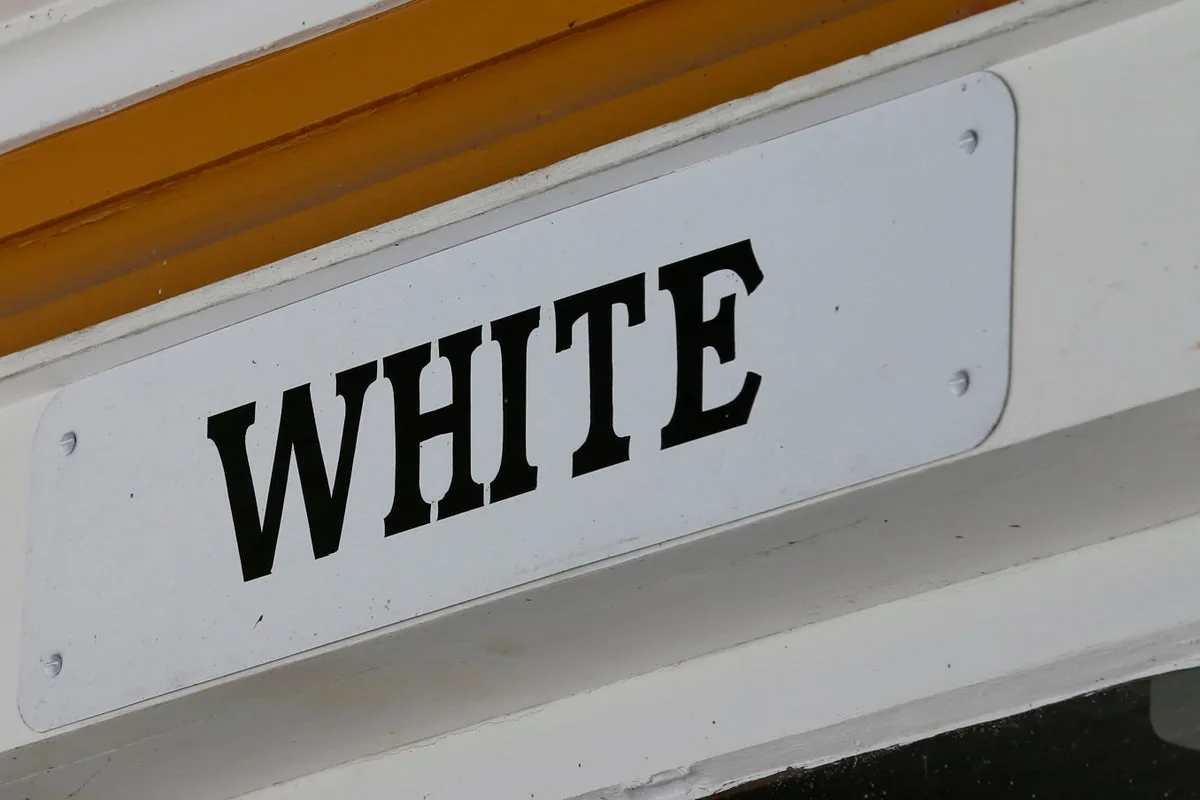
For decades, signs reading “No dogs, no Negros, no Mexicans” and “Colored served in rear” were a common sight across the American South, serving as stark reminders of the subordinate status of Black people under the Jim Crow system. These signs regulated public life, enforcing racial separation in everything from water fountains to railway cars.
After the Civil War and the collapse of Reconstruction, Jim Crow laws codified racial discrimination, underpinned by beliefs in Black inferiority. The 1896 Supreme Court case Plessy v. Ferguson established the “separate but equal” doctrine, making segregation signs statutory requirements rather than mere warnings. This system stripped Black people of dignity and citizenship, forcing them to use substandard facilities.
The Civil Rights Act of 1964 ended legalised segregation, but resistance persisted in many areas. According to historian Steven Reich, the legacy of Jim Crow continues to affect the modern workforce. Segregation divided the working class, compelling white workers to identify more with employers than with Black colleagues, hindering collective action on issues like diversity and inclusion.
Today, these signs are museum pieces, but their impact endures. The ritualised humiliation of the past has given way to subtler forms of inequality, as the nation grapples with the long shadow of its segregated history.




