
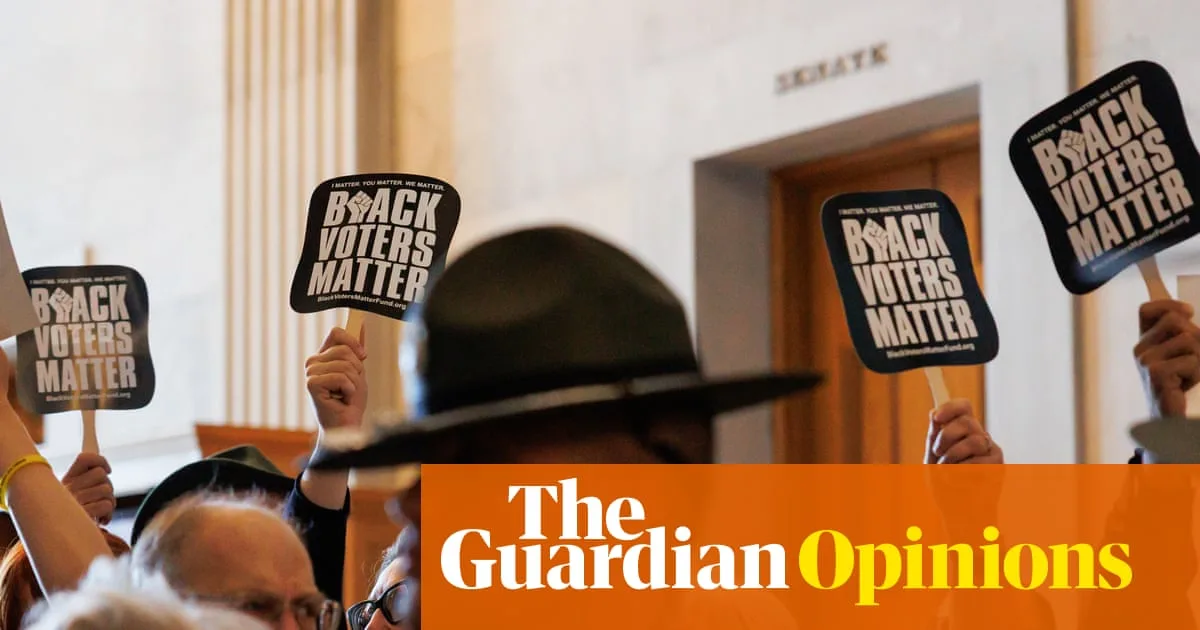
The Supreme Court has weakened one of the strongest federal tools against gerrymandering, a practice that can render entire voting blocs powerless before a single ballot is cast. In Memphis, Tennessee's largest majority-Black city, Republicans recently carved up the only majority-Black congressional district into three Republican-leaning seats, demonstrating how gerrymandering can make local political will irrelevant.
The Voting Rights Act of 1965 was a landmark law that addressed ballot access, voter registration, and racial vote dilution. However, it was not designed to combat modern gerrymandering tactics involving data analysts, algorithms, and partisan alibis. The recent Louisiana v. Callais ruling further weakened the Act, with Justice Samuel Alito's majority opinion relying on misleading data about Black turnout.
Partisan gerrymandering claims are now beyond the reach of federal courts following the 2019 Rucho v. Common Cause decision. This creates a loophole where states can dilute Black political power by claiming they are targeting Democrats, not Black voters. The next Voting Rights Act must address this by banning both racial and partisan gerrymandering nationwide.
Such a ban would require Congress to prohibit gerrymandering by both parties, including maps drawn by Democrats in states like California, Illinois, New York, and Virginia. While difficult, this trade-off is necessary to trust voters and policies over cartographers. Every American voter should support this change.




