
Taoiseach Micheál Martin has dismissed a Bill tabled by Sinn Féin that would mandate the publication of a Green Paper on Irish unity within 18 months, calling it “not credible” and accusing the main opposition party of pursuing a strategy that has “failed repeatedly over the past 100 years.”
Sinn Féin's Bill and Government Opposition
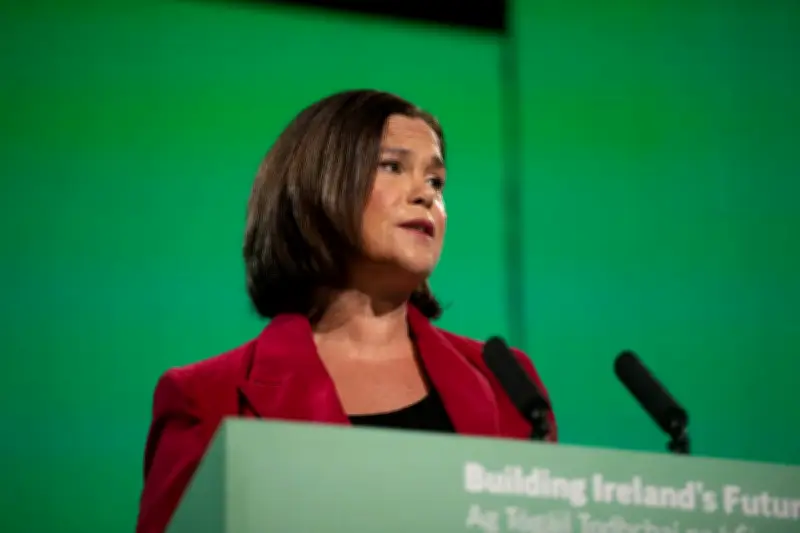
Sinn Féin leader Mary Lou McDonald introduced the Planning for Constitutional Change Bill, which also provides for the convening of a Citizens’ Assembly on Irish unification. The Irish Government is opposing the legislation, which Sinn Féin has framed as a “political test” for the coalition parties. Tánaiste and Fine Gael leader Simon Harris acknowledged the “bona fides” of Ms McDonald and her party but stressed that constitutional change “cannot be driven by deadlines or arbitrary timelines.”
Speaking in the Dáil, Ms McDonald said now was the “time to write the next chapter, the chapter of reunification,” as former Sinn Féin leader Gerry Adams watched from the public gallery. She argued that reunification is about more than removing the border, calling for a new deal that protects British identity and ensures respect for unionists.
Martin's Critique of the Bill
Mr Martin told TDs that the Bill “would do little to achieve its objective” and takes an approach “which has failed repeatedly over the past 100 years.” He urged politicians to move beyond “waving flags in people’s faces and talking about the inevitable march of history” and instead be open about the obstacles to unity. He criticised the proposal for a policy statement on Irish unity as centred on “the assumptions of ‘one more push’ or ‘demography is destiny’, which have always failed.”
“All analysis and proposals about the economy, education systems, health services, public service pay, the replacement of sterling, legal systems, policing, legacy, culture, identity, and constitutional structures must be completed in a year and a half. This is obviously not credible,” Mr Martin said. He added: “A policy of ‘one more push’ and hoping for an unpopular government in London will achieve nothing.”
Sinn Féin's Response and Political Dynamics
Sinn Féin’s chief whip told Mr Martin that he was “no Albert Reynolds and no Bertie Ahern,” asking him to reflect on Charles Stewart Parnell’s words that “no man has a right to fix the boundary of the march of a nation.” Ahead of the vote, Ms McDonald highlighted that Mr Harris had promised a “blueprint” for Irish unification by November, calling it “kind of astonishing” if Fianna Fáil were to vote against legislation whose sole purpose is to prepare for referendums on unity.
Fianna Fáil TD Pat “the Cope” Gallagher said he had not been “told officially what we’re doing” but would support the Bill if given a free vote. He added that “a lot” of his colleagues felt the same way. Sinn Féin deputy leader and Northern Ireland First Minister Michelle O’Neill warned that a vote against the legislation would send a “really negative message” to those in the region and “really set back the project of our nationhood.”
Sinn Féin leadership is due to speak with Andy Burnham, widely expected to become the next UK prime minister. Asked if she expected Mr Burnham’s premiership to differ from Sir Keir Starmer’s, Ms O’Neill said: “The short answer would be no, I don’t expect anything to be any different. This will be my seventh prime minister that I’ve been dealing with in 10 years. It underlines the chaos of Westminster.”




