
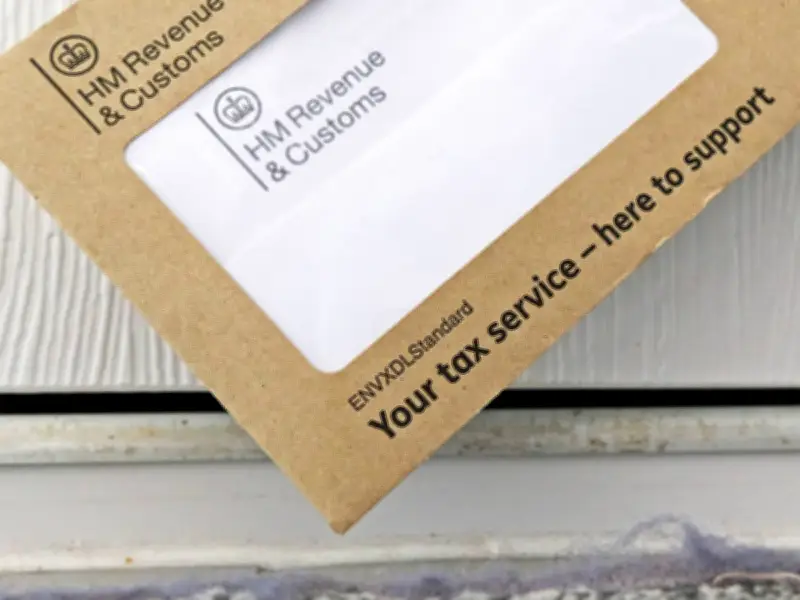
HMRC has issued a new alert as it sends letters to UK homes this summer. In a message issued on Tuesday, it encouraged people who receive a Simple Assessment letter to not ignore it and to check the details and pay any tax owed.
Every year HMRC writes to people who need to pay tax on income which has not been collected through PAYE or Self Assessment. The letters – known officially as PA302 – set out exactly how much tax is owed and why.
Who receives a Simple Assessment letter?
Customers may receive a Simple Assessment tax calculation letter if they have tax to pay that HMRC cannot collect automatically. This includes tax on interest on savings or dividends, a second income that has not been taxed, tax due on pension income, receiving more tax-free allowance than entitled to, or when the tax cannot be collected through a tax code (for example, larger amounts owed, typically £3,000 or more).
What HMRC says
Myrtle Lloyd, HMRC’s chief customer officer, said: “If you receive a Simple Assessment letter and have tax to pay, please don’t ignore it. It is quick and easy to pay any tax owed via the HMRC app. If you need extra support, or want to find out more, search ‘Simple Assessment’ on GOV.UK.”
HMRC said it would issue around 1.8 million Simple Assessment letters. People should check the figures in their letter against their own records and pay any tax owed by January 31, 2027, unless a different date is shown.
How to pay
Payments can be made in full or in instalments before the deadline and do not require a tax return. Customers can pay using the free and secure HMRC app, online via GOV.UK, by bank transfer or by cheque. A full list of payment methods is available on GOV.UK.
Detailed guidance on Simple Assessment – including a dedicated guide for pensioners – is available on GOV.UK. HMRC's new Tax Confident website also offers resources to help people understand their tax affairs with confidence.
The letters are official and arrive by post or appear in a customer's Personal Tax Account online. Customers can check if a letter from HMRC is genuine on GOV.UK.




