
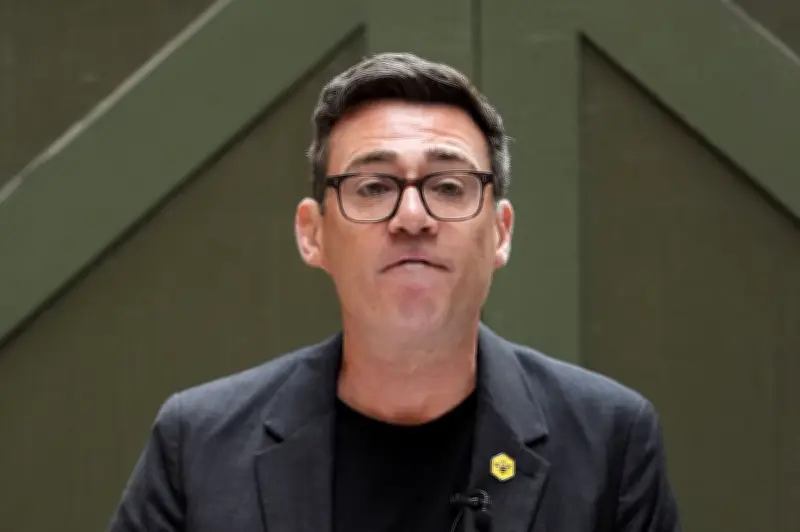
Hillsborough law will rewire the state and pass power to the hands of ordinary people, Andy Burnham said as it was backed by MPs in the House of Commons. The prime minister-in-waiting thanked his “friend” Sir Keir Starmer for his work on the draft law, paying tribute to his “commitment to a country based on justice and fairness.”
What the Hillsborough Law Entails
Hillsborough law would create a legally enforceable duty of candour which compels public officials and authorities to act transparently when investigations and inquiries take place. It takes its name from the 1989 disaster at Hillsborough Stadium, in Sheffield, when 97 Liverpool fans were killed in a crush during an FA Cup semi-final match. Families of those killed were forced to fight a long campaign to get to the truth behind the disaster in the face of obstruction by the authorities.
Political Support and Legislative Progress
Prime Minister Sir Keir Starmer paid tribute to the campaigners as he spoke in the Commons, telling MPs they “have waited years and years too long.” The legislation, which is formally called the Public Office (Accountability) Bill, was passed unanimously by MPs at third reading on Tuesday. It will now be sent to the House of Lords for further scrutiny before it can become law. It was one of the Prime Minister’s key promises in Labour’s 2024 manifesto and was originally due to be delivered April 15 last year, to mark the 36th anniversary of the disaster. However, progress was stalled following concerns from campaigners over its application to intelligence agencies. On Tuesday, it was amended to bring spies within the scope of the duty of candour, but with a “secure process” for disclosing information that could affect national security.
Emotional Tribute from Survivor MP
Labour MP Ian Byrne, who was at Hillsborough during the fatal crush, was visibly emotional as he spoke in the chamber. Holding back tears, the Liverpool West Derby MP said: “To every survivor, I hope today brings some measure of peace. Not because it can erase the past, nothing ever will, but because your suffering has brought us about lasting change for generations to come. “For decades I asked myself why I survived. Today, I think, I understand. Not because I’ve done anything extraordinary, but because I was given the privilege of standing here and carrying the voices of people who could no longer speak for themselves.” In a rare diversion from parliamentary protocol, MPs applauded Mr Byrne’s speech in the Commons.




