The Green Party has announced a radical policy platform that would fundamentally alter Britain's constitutional and social landscape if the party secures victory at the next general election. Central to these proposals is the disestablishment of the Church of England, a move that would end nearly five centuries of state religion dating back to Henry VIII's 1534 Act of Supremacy.
Ending State Religion
Under the Green Party's plans, the Church of England would become a self-governing institution, completely detached from governmental influence. This significant constitutional shift would mean the Prime Minister would no longer play any role in appointing the Archbishop of Canterbury, breaking a long-standing tradition of state involvement in church leadership.
Constitutional Implications
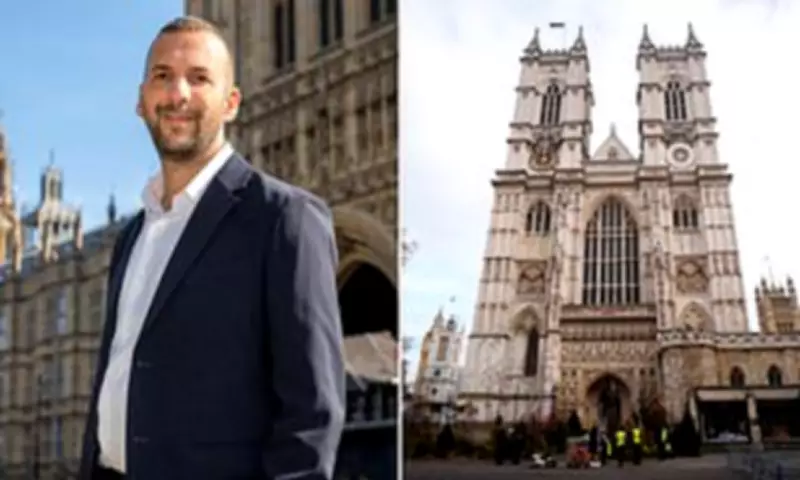
The policy would have far-reaching implications for Britain's political structures. Bishops would be expelled from their seats in the House of Lords, ending their automatic representation in Parliament. Furthermore, the Church's special representative in the House of Commons, currently held by Labour MP Marsha de Cordova, would be abolished entirely.

The Green Party's policy document explicitly states: 'No person shall hold office in the state, or be excluded from any such office, by virtue of their or their spouse's membership or non-membership of any religion or denomination of religion.' This represents a clear commitment to separating religious affiliation from public service and state positions.
Animal Welfare Overhaul
Alongside these constitutional changes, the Green Party has proposed sweeping reforms to animal welfare regulations that would significantly impact millions of British households. The party plans to reintroduce dog licensing, a system that was abandoned in 1987, despite current requirements for all dogs to be microchipped since 2016.
Two-Tier Licensing System
The proposed licensing framework would establish a two-tier system distinguishing between breeding and non-breeding dog owners. This would create new regulatory requirements for Britain's 13.5 million dog owners, potentially following the Irish model where owners either make a £120 lifelong payment or pay £17 annually.
The policy documents explain: 'The Green Party is opposed to the wholesale breeding, manipulation and destruction of those animals who are chosen as companions to the human race. We will introduce measures to regulate the care and conditions for such animals including a two-tier system of dog-licensing [breeding and non-breeding], licensing of all animal breeders and dog owners.'
Zoo Transformation
In another controversial move, the Green Party has pledged to abolish traditional zoos unless they fundamentally change their purpose. The party would only grant licenses to zoos that prioritize preparing animals for release into the wild, effectively transforming these institutions from entertainment venues to rehabilitation centers.
This policy has drawn criticism from those who view zoos as important educational resources and sources of enjoyment for children, but the Greens maintain their position reflects their commitment to animal welfare and conservation principles.
Broader Policy Context
These proposals come alongside other Green Party policies that have generated significant public debate, including plans to legalize possession of drugs like heroin and crack cocaine, reverse Brexit, and provide illegal migrants with homes and access to NHS services.
A Green Party spokesman previously stated: 'We are a nation of animal lovers. Our policies on the cost of living, NHS, public services and the environment are proving increasingly popular with voters. Our policies on improving animal welfare we're sure will prove just as popular.'
The Green Party, led by Zack Polanski, has positioned itself as offering transformative change across multiple sectors of British society. The party's commitment to disestablishing the Church of England represents one of the most significant proposed changes to Britain's constitutional settlement in modern history, while their animal welfare proposals would create new regulatory frameworks affecting millions of households.

Both the Green Party and the Church of England have been contacted for comment regarding these proposed policies and their potential implications for British society and governance structures.