
It was “not entirely by happenstance” that a Russian warship fired weapons off the Plymouth coast on the same day that Andy Burnham became Prime Minister, a former head of the British Army has said.
Royal Navy monitors Russian exercise
The Royal Navy monitored the Russian live-fire exercise that was carried out about 40 nautical miles (46 miles) south of the Devon city’s shore on Monday, according to a Ministry of Defence spokesperson. It “continues to track the vessel’s activity closely, and stands ready to protect UK national security”, they added.
Before firing rounds, the Russian ship informed HMS Tyne that it intended to conduct gunnery activity. It asked the Royal Navy vessel to move to a safer distance, which HMS Tyne did, and then started its 30-minute exercise in international waters.
Lord Dannatt comments on Putin's intentions
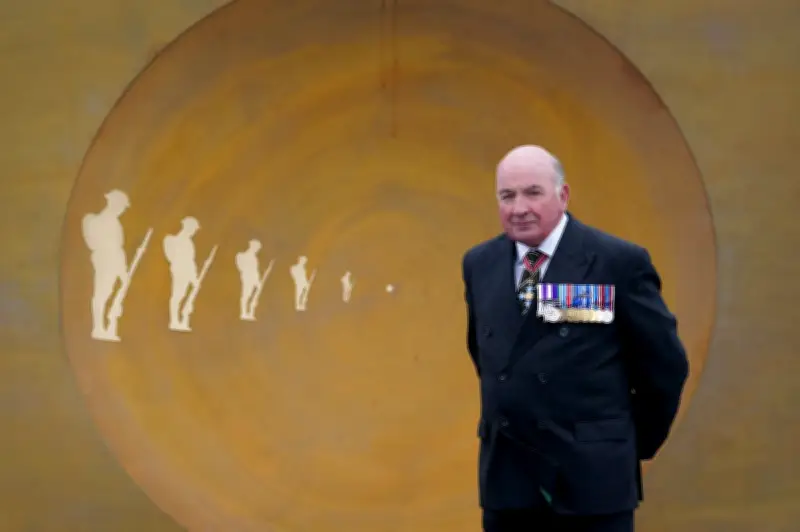
Lord Dannatt, chief of the British Army’s general staff between 2006 and 2009, on Tuesday told Times Radio that he believed it was another “illustration of the aggressive instinct” shown by Russian President Vladimir Putin. This was “of course most clearly demonstrated by his attack on Ukraine” but Mr Putin “wants to demonstrate that Russia’s got muscles that it can flex and it’s not entirely by happenstance that that Russian warship chose to carry out a live-fire exercise on the same day that Andy Burnham became prime minister”.
He continued: “This is an indication from the Kremlin that ‘we’re here and we’re powerful, we’re strong, and what are you going to do about it?’ So it’s a challenge.”
Shadow defence secretary reacts
Shadow defence secretary James Cartlidge said he only knows “a very sketchy amount” about the exercise but “in principle, obviously (it’s) very concerning” and “typical bravado from Putin”. Speaking on the same radio programme as Lord Dannatt, he said it highlighted the need to increase defence spending.
There is “very obviously a lack of surface ships for the Royal Navy,” he said. His party’s policy is that “given the Chagos deal appears to be dead”, Conservatives would use the hundreds of millions of pounds “due to Mauritius this Parliament” to accelerate ship-building in Scotland. “So they can come into service sooner because we need them urgently,” Mr Cartlidge said. “More surface ships, more frigates in our shores would send a very powerful signal to Putin that we’re not going to tolerate this sort of behaviour.”
The firing exercise near Plymouth “speaks to the point of the threat we face and why we can’t have gimmicks like defence bonds”, he told Times Radio. “We need serious government taking difficult decisions.”




