
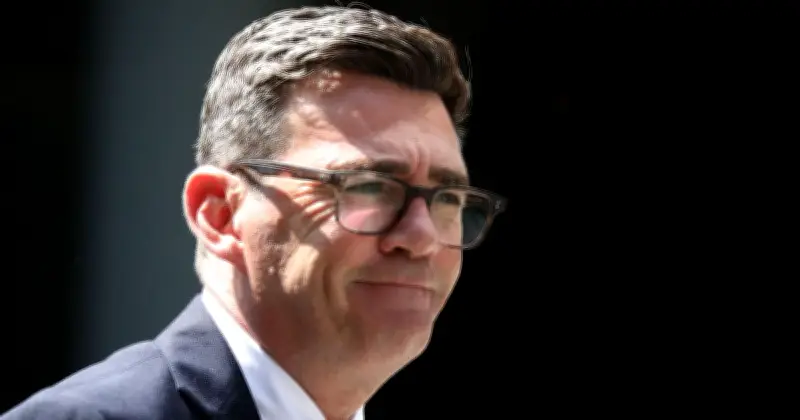
Incoming Prime Minister Andy Burnham has been accused of taking the United Kingdom “back to the 1970s” with a campaign of nationalisations, as he prepares to deliver his first speech from Downing Street. The Labour leader is reportedly planning to bring a number of key industries into public ownership, with The National Lottery among the proposed targets of the drive.
Burnham's First Speech Promises 'Breathing Room'
Mr Burnham, who will formally become Prime Minister later on Monday, is expected to promise Britons “breathing room” against the rising cost of living in his inaugural address. He will also urge the country to be honest about the challenges it faces and call for “reflection and resolution”. The speech marks a stark departure from the policies of his predecessor, Sir Keir Starmer, as Burnham seeks to reset the government's priorities.
According to reports, Burnham plans to expand state control over housing, transport, and utilities. The National Lottery, currently operated by Camelot under a licence from the Gambling Commission, is a prime candidate for nationalisation. Additionally, he is weighing up temporarily nationalising Thames Water to resolve its debt crisis, which has raised concerns about water quality and environmental compliance.
Reform UK's Robert Jenrick Criticises Plans
Reform UK’s economy spokesman Robert Jenrick condemned the proposals, accusing Burnham of being focused on “hammering businesses” with the nationalisation plans. Speaking to The Telegraph, Mr Jenrick said the Labour leader is “taking the country back to the 1970s with state control”. The 1970s were a period of widespread nationalisation in the UK, which was later reversed by Margaret Thatcher's Conservative government in the 1980s.
Jenrick's comments reflect broader criticism from opposition parties and business groups, who argue that nationalisation would stifle investment and innovation. However, Burnham's supporters contend that public ownership of key industries is necessary to protect consumers and ensure essential services remain affordable.
Expansion of Bus Nationalisation Model
Mr Burnham could also expand Labour plans to bring local bus services into public control, building on the model he used as Mayor of Greater Manchester. The Greater Manchester region was the first in England, outside London, to bring bus services back under public ownership, incorporating them with other modes of transport as part of the ‘Bee Network’. This initiative has been praised for improving service reliability and integrating ticketing, but critics point to its high cost and ongoing subsidies.
The new “No 10 North” office in Manchester, which Burnham is set to visit this week, is intended to drive devolution of power away from Westminster. Burnham has made it clear that devolution is a key aim of his government, promising a “reset of priorities” that includes scrapping Sir Keir Starmer’s flagship digital ID programme to focus money and attention on the cost of living.
Cabinet Reshuffle and North Sea Drilling
Mr Burnham is expected to name his cabinet after his maiden speech as PM. He is believed to have been considering either Energy Secretary Ed Miliband or Home Secretary Shabana Mahmood to replace Rachel Reeves as chancellor. This reshuffle signals a shift towards more left-leaning economic policies, consistent with Burnham's nationalisation agenda.
On energy policy, Burnham has not confirmed reports that he is considering approving new oil and gas drilling in the North Sea. However, former US President Donald Trump claimed on Sunday that Burnham had indicated he would support such drilling, declaring that people in Aberdeen would be “dancing in the streets”. The claim has not been verified by Burnham's office.




