
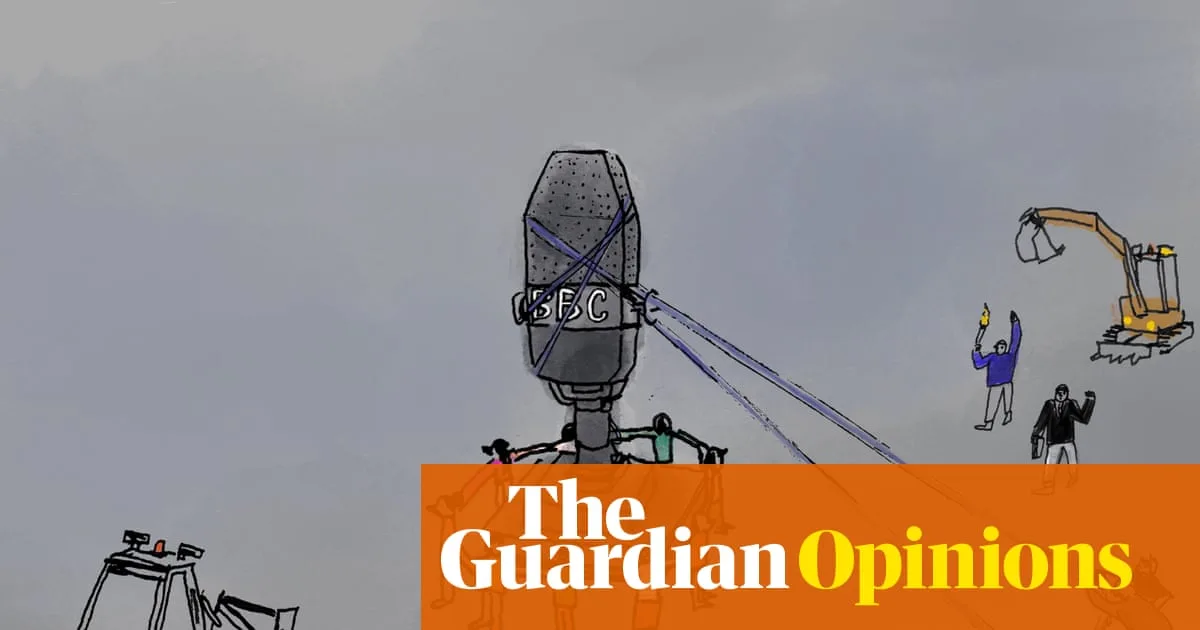
The BBC faces an unprecedented threat, with a lawsuit from the US president adding to pressures from political parties, pressure groups and newspaper publishers. Pat Younge, chair of the British Broadcasting Challenge, warns that this comes at a time when democracy is in an information crisis, with AI-generated deepfakes, hostile state propaganda and algorithms amplifying divisions on social media.
Younge argues that tech platforms are controlled by six American billionaires pursuing self-interested agendas, aided by a litigious US president. He notes that the US communications regulator has acted as an arm of the executive, and media executives have caved to legal threats, while Trump has removed funding from public television and radio.
To secure the BBC's future, the British Broadcasting Challenge proposes a permanent charter establishing the BBC in perpetuity, with core principles of independence, public service and universality. A governance board appointed by an independent body would regulate editorial performance and set strategic direction, separate from a management board chaired by the director general.
The proposals also recommit to universality, ensuring BBC services are free at the point of use throughout the UK and provide quality programmes reflecting all regions. The BBC must continue popular programmes like The Traitors and Match of the Day alongside niche content, current affairs, creative risks and coverage of women's and disabled sports.
Finally, the BBC needs a proper funding settlement recognising a 30% cut over 15 years. At £3.35 a week, the licence fee is value for money, and the BBC reaches 95% of adults monthly. Younge calls for a new approach to governance and funding to protect the BBC from potential authoritarian government interference.




