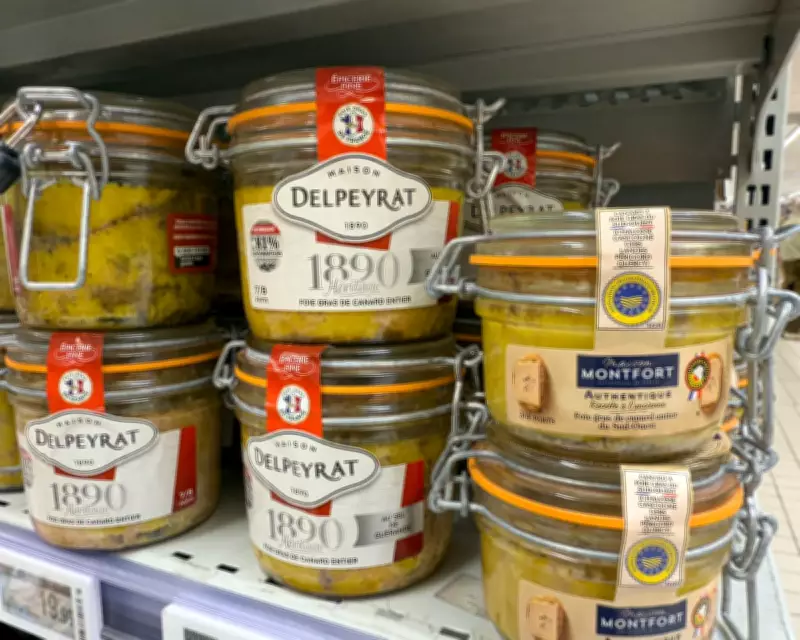
UK Government Abandons Foie Gras and Fur Import Bans to Secure EU Trade Deal
The UK government is set to break a key manifesto commitment by dropping planned bans on foie gras and fur imports, following pressure from the European Union during trade negotiations. Animal welfare charities have expressed bitter disappointment at the decision, which they see as a failure to use post-Brexit freedoms to restrict what they describe as cruel products.
Trade Priorities Override Animal Welfare Pledges
Sources close to UK-EU discussions confirm that the government is prepared to abandon the foie gras import ban, with other sticking points like precision breeding of crops taking higher priority. Ministers argue that these economic concerns are more likely to boost the economy than restricting imports of controversial luxury items.
The government notably omitted a foie gras ban from its recently launched animal welfare plan and, at the end of last month, released its response to a consultation on fur imports without committing to restrictions. Despite 97% of consultation respondents stating it was wrong to kill animals for their fur, and overwhelming public support for a ban, ministers have instead established a working group to examine the fur industry further.

Historical Context and Current Practices
Fur farming has been banned in the UK since 2000, and domestic foie gras production was outlawed in 2006. However, both products continue to be imported, primarily from EU countries, and remain available in British shops and restaurants. Before the election, then-shadow environment secretary Steve Reed pledged that Labour would ban commercial imports of foie gras, specifically citing the aggressive force-feeding of ducks and geese.
Foie gras production involves force-feeding birds through a process called gavage, which dramatically swells their livers before harvest. While EU member states cannot ban each other's products on animal welfare grounds, the UK gained the freedom to restrict such imports after Brexit but has yet to exercise this power.
Industry and Charity Reactions
David Bowles, head of public affairs at the RSPCA, stated: "Every animal deserves a life free from suffering. We are bitterly disappointed that the government has failed to ban the sale and import of fur." He welcomed the establishment of a round table to consider next steps but emphasized that stronger action is needed, particularly as Europe appears to be moving toward licensing fur farms.
Alexis Gauthier, a London restaurateur and former top importer of foie gras who now serves a vegan alternative, criticized the government's decision. "Throwing this crucial animal welfare pledge under a bus and blaming the EU would be just another demonstration of this government's rudderless policy," he said, describing foie gras as an atrocious product.
Claire Bass, director of campaigns at Humane World For Animals UK, highlighted the inconsistency: "The previous Labour government banned fur farming in the UK more than 20 years ago. Allowing the UK market to outsource fur from bloody and brutal farming practices abroad should have no place in our trade landscape."
Political Background and Future Implications
Boris Johnson's Conservative government had initially planned to ban fur and foie gras imports using Brexit freedoms but shelved these plans after opposition from Tory MPs concerned about restrictions on fashion and delicacies. Under an expected trade agreement to be finalized in autumn, the UK would need an exemption from EU law to implement such bans in the future.
Some restaurants continue to sell foie gras in the UK, though many retailers, including Fortnum and Mason, have removed it from shelves. A spokesperson for the Department for Environment, Food and Rural Affairs defended the government's record, stating: "We are proud to have some of the highest animal welfare standards in the world." They pointed to the publication of an expert committee report on responsible fur sourcing as delivering a key commitment in the government's animal welfare strategy.
The decision marks a significant reversal on animal welfare promises, raising questions about how trade priorities are shaping UK policy post-Brexit.