
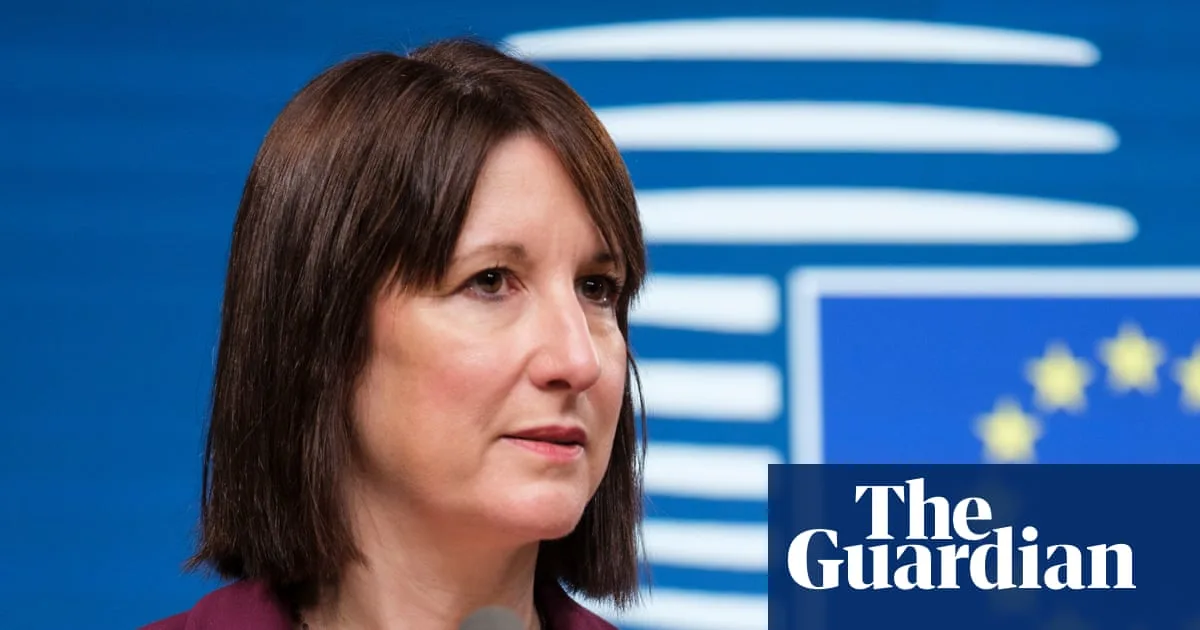
Chancellor Rachel Reeves has insisted Labour can win the political argument for a closer relationship with the European Union, calling it the “biggest prize” for UK economic growth. Speaking at a London event on European security organised by the Bruegel thinktank, Reeves acknowledged that some Labour strategists have been wary of advocating stronger EU alignment for fear of alienating pro-Brexit voters. However, she expressed confidence that the case can be won, citing the recent agreement to rejoin the Erasmus student exchange scheme as a popular move.
Reeves underlined the importance of EU trade, stating: “Economic gravity is reality, and almost half of our trade is the EU.” She added that while deals with India, the US, and South Korea are desirable, none would match the benefits of improved trade relations with Europe. When asked about a Swiss-style agreement involving alignment with EU rules for key industries, Reeves replied: “Further integration will require further alignment, but I’m up for that.” She noted that discussions are ongoing at sectoral level for potential alignment, which could be unilateral or negotiated.
The chancellor stressed that current areas under discussion—including a food and farming agreement, a youth mobility scheme, and participation in the EU’s carbon border adjustment mechanism—are just “first base.” A review of the Trade and Cooperation Agreement signed by Boris Johnson in 2020 is due by year-end, with a summit on the UK-EU “reset” expected in the coming months. Reeves echoed recent comments by Prime Minister Keir Starmer, though both have ruled out rejoining a customs union or the single market, as per Labour’s election manifesto.
Reeves also highlighted the importance of collaboration with the EU on security and defence, urging European colleagues to press ahead with joint defence procurement. “Russia is not going to sit on the sidelines,” she warned. The shadow chancellor, Sir Mel Stride, accused Reeves and Starmer of wanting to “row back on Brexit since day one,” blaming them for economic failures rather than Brexit itself. Reeves spoke before the release of official growth data for the final quarter of 2025, expressing optimism about recent signs of productivity growth and falling interest rates.




