

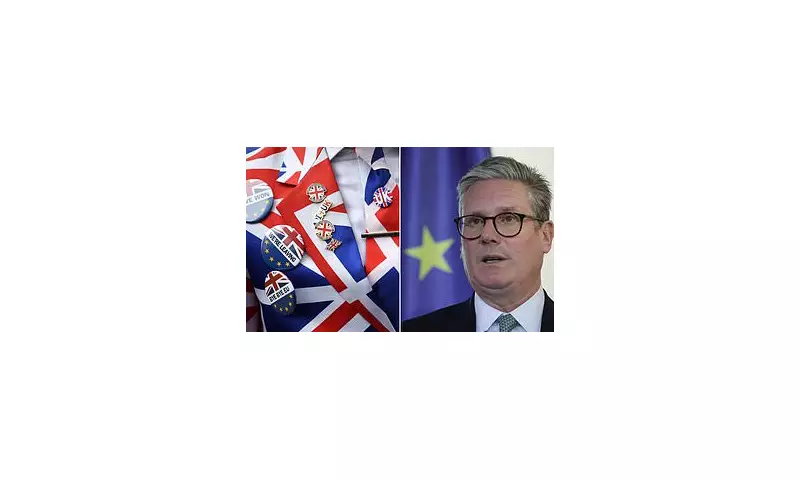
The Labour government is accused of orchestrating a gradual but determined campaign to steer Britain back towards the European Union, with Brexiteer voices offering surprisingly little resistance. Critics argue that a series of calculated moves is incrementally eroding the UK's post-Brexit independence, setting the stage for a potential full-scale reversal of the 2016 referendum result.
Step-by-Step Towards Brussels
The process, described by some as a 'sneaky' reintegration, began with the Government resetting its relationship with Brussels. A significant milestone was last week's announcement that Britain will rejoin the EU's Erasmus student exchange scheme. The scheme, which critics label 'ruinously expensive', is expected to cost up to £1 billion annually, a sharp rise from an initial £570 million. Proponents argue it fosters academic ties, but opponents highlight that it will primarily benefit EU students, with twice as many expected to come to the UK's world-class universities as British students going the other way.
Prime Minister Keir Starmer, a known pro-EU figure who previously sought to undo the referendum, has proceeded with caution, insisting his 'red lines' will prevent full reintegration. However, the political landscape suggests the pace could accelerate dramatically if, as widely anticipated, he is replaced next year. The real concern for Eurosceptics lies with his likely successors.

The Next Generation: Champions of Reintegration
Key Labour figures positioned for leadership are openly advocating for closer EU ties. Health Secretary Wes Streeting, a frontrunner seen as a potential Prime Minister within six months, recently stated Britain took a 'massive economic hit by leaving' and should rejoin the customs union. His comments echo those of Deputy PM David Lammy from weeks prior.
Other contenders share this vision. Andy Burnham, the Mayor of Greater Manchester, expressed hope to see the country rejoin the EU in his lifetime. Former leader Ed Miliband remains a committed Europhile. The nightmare scenario for Brexiteers is a future coalition government involving Labour, the Lib Dems, and the Greens, hellbent on rejoining without necessarily offering the public a new referendum.
Muted Opposition and Economic Battleground
Despite these developments, prominent Brexiteers have been conspicuously quiet. Nigel Farage, the architect of Brexit, has been subdued, perhaps influenced by polls showing 56% of the public now believe leaving was a mistake. He previously made headlines in 2023 by stating 'Brexit has failed', blaming Tory implementation rather than the principle.
Business Secretary Kemi Badenoch also caused ripples by listing Brexit alongside Covid-19 as economic 'shocks', a framing welcomed by pro-EU outlets. The central battleground is the economic argument. Rejoiners frequently cite an Office for Budget Responsibility forecast of a 4% long-term hit to productivity, presenting it as established fact. However, trade data tells a nuanced story: UK service exports to the EU were 19% above 2019 levels in 2024, while exports to non-EU countries were 23% higher. Post-Brexit UK growth has also been comparable to France and Italy, and higher than Germany's.
The proposal to rejoin the customs union represents the most severe threat to Brexit's trade legacy, critics warn. It would force the UK to abandon independent trade deals with countries like India and Australia, leave the CPTPP Pacific trade bloc, and scrap a favourable interim deal with the US, all while having no say in setting the union's rules.
With a potential blizzard of pro-EU statistics expected from a Labour government pining for closer ties, the call is for believers in an independent Britain to wake up and mount a robust defence of Brexit's benefits—from border control and fisheries to budget savings—before the opportunity is lost.






