

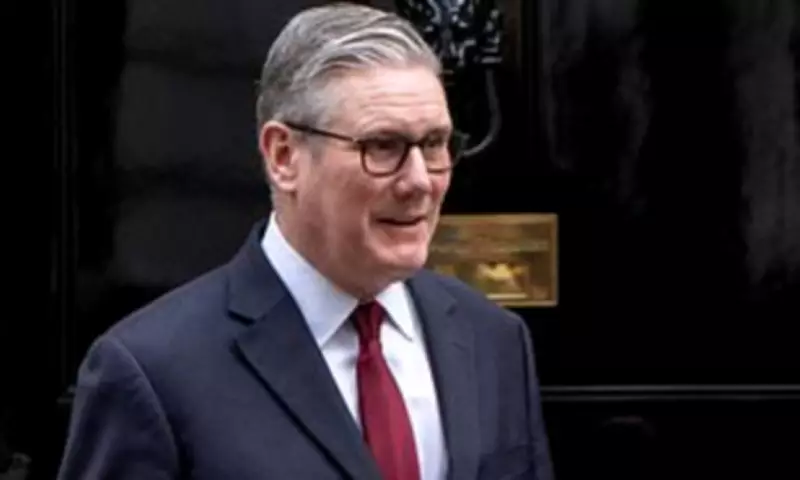
Labour ministers are facing mounting pressure to reject European Union demands for significant tuition fee reductions for EU students studying in the United Kingdom. This contentious issue has created a serious standoff with Brussels negotiators, threatening to derail Prime Minister Keir Starmer's proposed Brexit reset agreement.
Youth Mobility Scheme at Heart of Dispute
The dispute centers on a proposed youth experience scheme that forms a crucial component of Starmer's broader Brexit reset strategy. This ambitious program would allow young Europeans aged 18 to 30 to live, work, and study in Britain under reciprocal arrangements. However, EU negotiators are pushing aggressively for these students to pay domestic tuition rates rather than the substantially higher international fees currently imposed.
Financial Implications for Universities
Since Britain's departure from the European Union, EU students have faced international tuition fees ranging from £11,400 to an astonishing £32,000 annually. This contrasts sharply with the domestic rate of £9,535 paid by British students. University leaders have issued stark warnings that equalizing these fees could severely damage institutional finances already under considerable strain.

Detailed modelling conducted by the prestigious Russell Group of universities reveals that lowering tuition fees to domestic levels for EU students would cost the higher education sector approximately £580 million. Jamie Arrowsmith, director of Universities UK International, emphasized the gravity of this financial impact, stating: 'This would carry a very significant cost and risks undermining the financial sustainability of universities, which would not be in the best interests of the UK, or the EU, or prospective students.'
Political Opposition Mounts
Conservative leader Kemi Badenoch has emerged as a vocal critic of the proposed fee reductions, urging Labour ministers to stand firm against Brussels' demands. In a pointed social media post, Badenoch argued: 'Rather than using taxpayers' money to subsidise foreign students, Keir Starmer should cut the interest on Plan 2 student loans and help British graduates.'
Government sources close to the negotiations have revealed that the tuition fee issue has become the primary stumbling block in discussions, with one insider describing it as a 'non-starter' for British negotiators. 'It is true that talks have stalled and that this is now the main issue on which both sides cannot agree,' confirmed a source familiar with the delicate negotiations.
Broader Brexit Reset Agenda
The tuition fee dispute threatens to overshadow progress in other areas where Britain and the European Union have found common ground. Negotiators have reportedly reached broad consensus on two other significant components of Starmer's Brexit reset: agreements concerning food safety standards and emissions trading mechanisms.
Cabinet Office minister Nick Thomas-Symonds, who leads negotiations on behalf of the Prime Minister, is scheduled to travel to Brussels for further crucial talks on Monday. These discussions come ahead of an anticipated summit between British and EU officials expected in June or early July.
Government Position Remains Firm
A government spokesperson maintained that officials would not provide ongoing commentary about the sensitive negotiations but confirmed: 'We are working together with the EU to create a balanced youth experience scheme which will create new opportunities for young people to live, work, study and travel.'
The spokesperson added a crucial qualification: 'Any final scheme must be time-limited, capped and will be based on our existing youth mobility schemes, which do not include access to home tuition fee status.' This statement suggests the government intends to maintain its current position regarding tuition fee differentials despite mounting pressure from European counterparts.
The outcome of these negotiations will significantly impact both Britain's post-Brexit relationship with Europe and the financial landscape of higher education institutions across the United Kingdom.






