
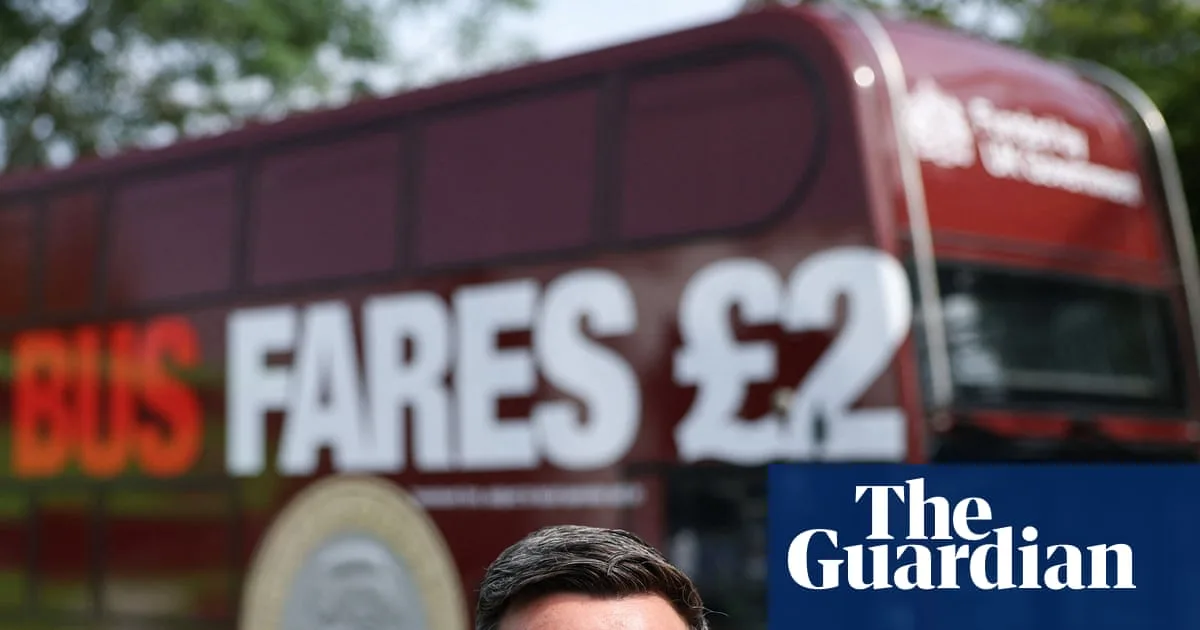
The government's decision to fund a reduction in the bus fare cap by converting international climate donations into repayable loans has drawn fierce criticism from charities, who warn it will harm the world's poorest. Prime Minister Andy Burnham announced on Wednesday that the fare cap will drop from £3 to £2 next year, with the cost covered mainly by switching climate finance from grants to loans.
ActionAid UK co-director Joanne O'Neill condemned the move, saying it “throws global south countries under the bus” and penalises those most affected by the climate crisis. She added that delivering climate finance as loans pushes countries into debt and diverts funds from essential public services, disproportionately affecting women and girls. The Liberal Democrats' Monica Harding warned the policy would “further undermine the UK's standing as a reliable global partner” and destabilise developing nations.
Romilly Greenhill, chief executive of Bond, which represents aid organisations, accused the prime minister of “robbing Peter to pay Paul” and continuing the previous government's approach of raiding the aid budget. However, some analysts note that other major donors, including the World Bank, already provide most climate finance as loans, arguing this ensures proper spending and fosters ongoing relationships.
Downing Street confirmed the cap will cost over £500 million next year, with £400 million coming from the loan switch. Officials said the money will support initiatives like Brazil's Tropical Forests Forever Facility. However, changing donations to loans means funds are more likely to go to middle-income countries that can repay, potentially reducing overall UK aid spending, which was already halved to 0.3% of national income.
Criticism also focused on the exclusion of new aid minister Kirsty McNeill from cabinet, with former Conservative development secretary Andrew Mitchell among those voicing disapproval. The prime minister defended the fare cap as a measure to ease cost-of-living pressures, stating it would “put money in people's pockets” throughout 2027.




