

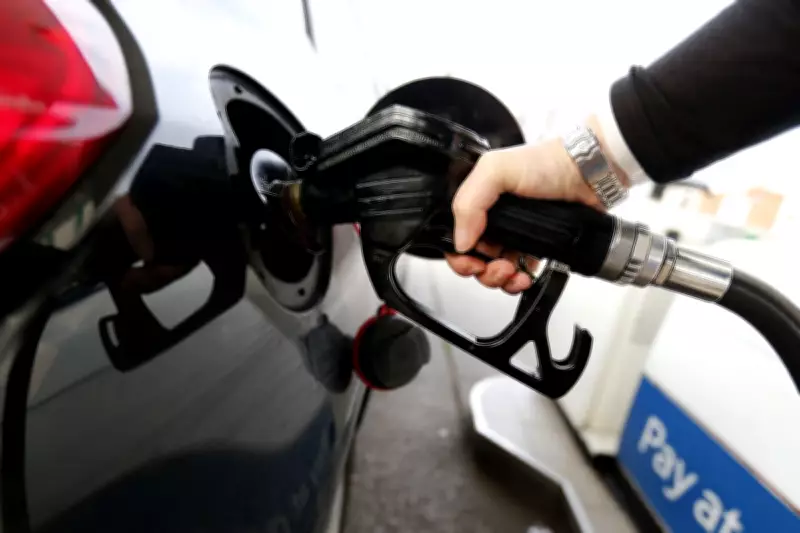
The European Commission has firmly declared that Slovakia's recently approved government resolution, which permits fuel stations to impose higher diesel prices on vehicles with foreign licence plates and limit sales, is in direct violation of European Union law. This announcement was made by a Commission spokesperson during a news conference on Tuesday, highlighting significant legal and market integrity issues.
Discriminatory Measures Under Scrutiny
"We take note that the Slovak government has adopted a measure imposing a 30-day restriction on diesel refuelling in Slovakia, as well as introducing differentiated pricing for domestic and foreign vehicles, including higher prices for those with foreign licence plates," stated the spokesperson. "We consider this measure to be highly discriminatory and against EU law. While we understand the need to support citizens, especially at this time, measures must not discriminate based on nationality, nor should they undermine the integrity of our single market. We will take appropriate legal action to ensure compliance."
Details of Slovakia's Fuel Resolution
Under the new resolution, which was approved earlier this month, fuel pumps in Slovakia are authorised to limit diesel sales to a full tank plus up to 10 additional litres per transaction. Additionally, exports will be restricted, and prices for diesel sold to foreign-registered cars can be set differently, based on the average prices in neighbouring countries such as the Czech Republic, Austria, and Poland. These measures are set to remain valid for 30 days and do not apply to gasoline.

Context of Energy Supply Pressures
Slovakia's decision comes amid heightened global energy price surges, largely driven by the ongoing conflict in Iran, which has disrupted oil markets. Furthermore, the country's supply of Russian crude through the Druzhba pipeline has been interrupted due to damage to the line in Ukraine, exacerbating fuel security concerns. This has prompted Slovakia to implement these measures in an effort to stabilise domestic diesel supplies and manage costs.
Broader European Fuel Dynamics
This development occurs alongside other fuel-related actions in Europe. For instance, Hungary has capped fuel prices this month, and Poland's main refiner, Orlen, has reduced its margins to alleviate the financial burden on consumers. These moves reflect a regional response to energy market volatility and the need to protect national interests while navigating EU regulations.
Contrast with UK Stance on Fuel Conservation
In contrast to Slovakia's restrictive measures, British motorists have been advised to maintain their normal driving habits despite the global oil crisis stemming from Iran. Michael Shanks, a relevant official, emphasised that there is no fuel shortage in the UK and that drivers should not alter their behaviour, such as driving slower or changing fuel purchasing patterns. This advice counters recommendations from the International Energy Agency (IEA), which has urged motorists worldwide to reduce highway speeds, share rides, and work from home to conserve petrol and diesel usage.
"They should do everything as absolutely normal because there is no shortage of fuel anywhere in the country at the moment," Mr Shanks told Times Radio. "We monitor this every single day, I look at the numbers personally. There's no issue at all with that." This stance underscores the varying approaches across Europe to managing fuel supplies and consumer guidance during times of international energy instability.






