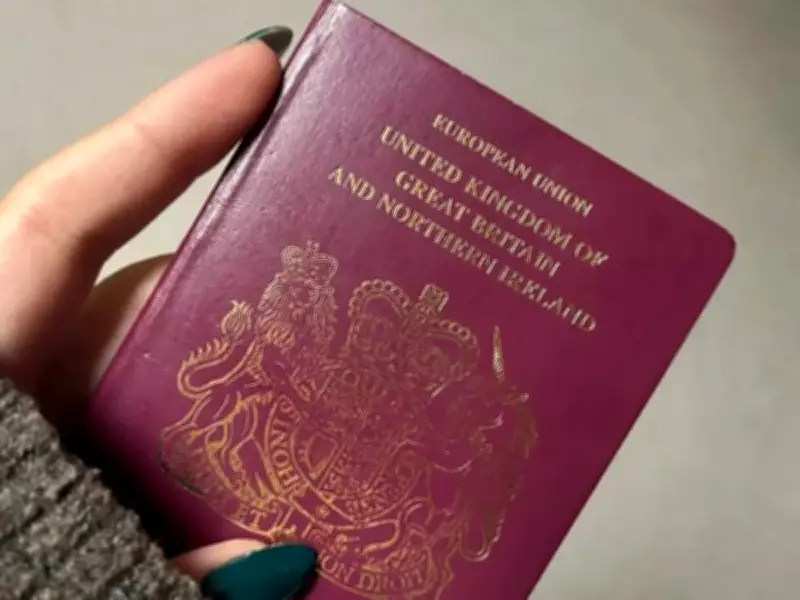
Burgundy UK passports can still be used for travel as long as they remain valid, according to official guidance, even though all new passports issued by the UK government are now dark blue.
Families across the UK will have travelled abroad this week to mark the October half term. Keeping up to date with travel guidance helps avoid problems, and an expired passport is one of the main issues that can catch people out before a holiday.
Passport Colour Changes Since Brexit
The rules around UK passports have changed several times over the years. The biggest change came after Brexit, when the UK moved from burgundy passports back to dark blue ones. The first burgundy-coloured machine-readable passports were issued in 1988, and dark blue passports returned from March 2020.
According to the government's website, during 2020 the UK prepared to leave the European Union and changed passports from EU and non-EU burgundy coloured passports to non-EU passports with a blue cover, known as the UK series C e-passport. In December 2025, the UK series D e-passport was released, and a phased rollout means customers could receive either series C or series D e-passport.
Validity and Renewal Rules
Advice on Gov.uk states that if your passport is burgundy or has 'European Union' on the cover, you can still use it as long as it's valid for travel. Passport expiry dates are either five or 10 years. If your passport has expired or you do not have enough time left on it, you must renew it before travelling. If your passport has been lost or stolen, you must cancel it before applying for a replacement.
To enter countries within the EU, travellers must have a UK passport issued less than 10 years before the date of entry. The document must also be valid for at least three months after the day you leave the EU country. Passports issued before September 2018 may be affected because the passport office previously added up to nine months of validity from an old passport to a new one, a policy that ended in 2020.
Application Times and New Designs
If a passport does not meet the minimum requirements, the holder will be refused entry to the country. HM Passport Office guidance states that standard applications take approximately three weeks, though it may take longer if further information is needed or an interview is scheduled. Applying by post takes longer than applying online.
Passports issued this month have a revamped design bearing His Majesty King Charles III's Coat of Arms and incorporate the latest anti-forgery technology. Passports issued with the Coat of Arms of Queen Elizabeth II remain valid until their expiry date.