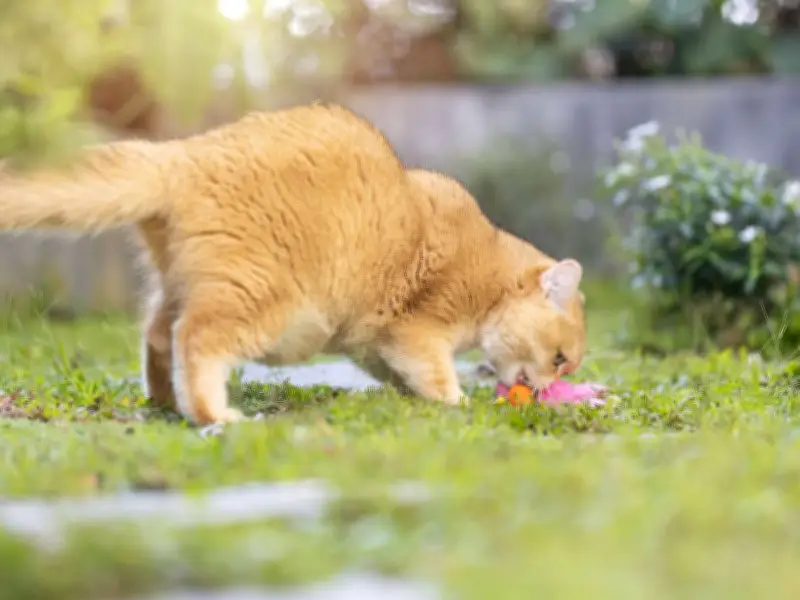
If a neighbour feeds your cat, it can lead to health problems for your pet and tension between households. Understanding your legal rights and practical steps can help resolve the situation calmly.
Health risks of extra feeding
Purely Pets Insurance warns that more than one in three cats in the UK are overweight or obese. Extra weight increases the risk of heart problems, diabetes, cystitis, arthritis, liver disease, breathing problems and cancer, which can reduce a cat's lifespan and cause pain.
Even a small imbalance in your cat's diet can, over time, lead to a life-threatening weight problem. Feeding a cat raw meat could expose them to diseases and toxoplasmosis, which has serious consequences for humans, particularly during pregnancy.
If your cat usually has a special diet to control a health problem, a neighbour could be giving food that aggravates the problem. Furthermore, if a cat receives meals elsewhere, they might ultimately cease returning home at all.
Practical steps to take
The experts suggest starting with a polite conversation. Your neighbours might not have realised that the hungry cat visiting them is your much-loved pet. Often, people mistake a pet for a stray in genuine need of food.
If you don't know your neighbours, knock on the door, introduce yourself, show a picture of your cat and explain that your pet has a habit of nagging for food but should not be fed as they get plenty at home. Avoid a confrontational style, and don't ask if they have been feeding your cat, as it could be taken the wrong way.
If you're unsure which neighbour is feeding your cat, create notices to display locally, indicating your pet is not a stray. You can also share messages on local Facebook groups in case somebody believes your cat is missing or homeless.
Attach a paper collar saying "do not feed me", or purchase a permanent collar or tag with the same message. You could add a sentence saying the cat has a caring owner and does not need additional food. This is a good option if you suspect someone but aren't sure who.
Legal action as a last resort
Legal action is unlikely to prove successful, according to the experts. The police usually see issues involving pets as civil matters and do not wish to be involved. In the eyes of the law, a cat is an item of property that can be harmed or stolen like any other item.
You could seek to take a neighbour to court to claim back additional vet costs if it could be shown these were caused by the neighbour feeding your cat, or if the neighbour was keeping your cat at their property for long periods. However, launching a court case or engaging a solicitor can be costly, so it's vital to attempt to settle the matter first. A letter from a solicitor warning of potential legal proceedings could be effective, but take care not to spend beyond your means.
Signs your cat is being fed elsewhere
There are several indicators that your cat is receiving food elsewhere. The primary sign is your feline gaining weight despite correct portion sizes. Watch out for your cat hanging around a neighbour's door, especially if meowing for food. Cats know how to communicate their desires, and once fed by a neighbour, they will likely return for more.
Your cat's eating patterns may also change, such as eating at different times or eating less of the food you provide, without losing weight.