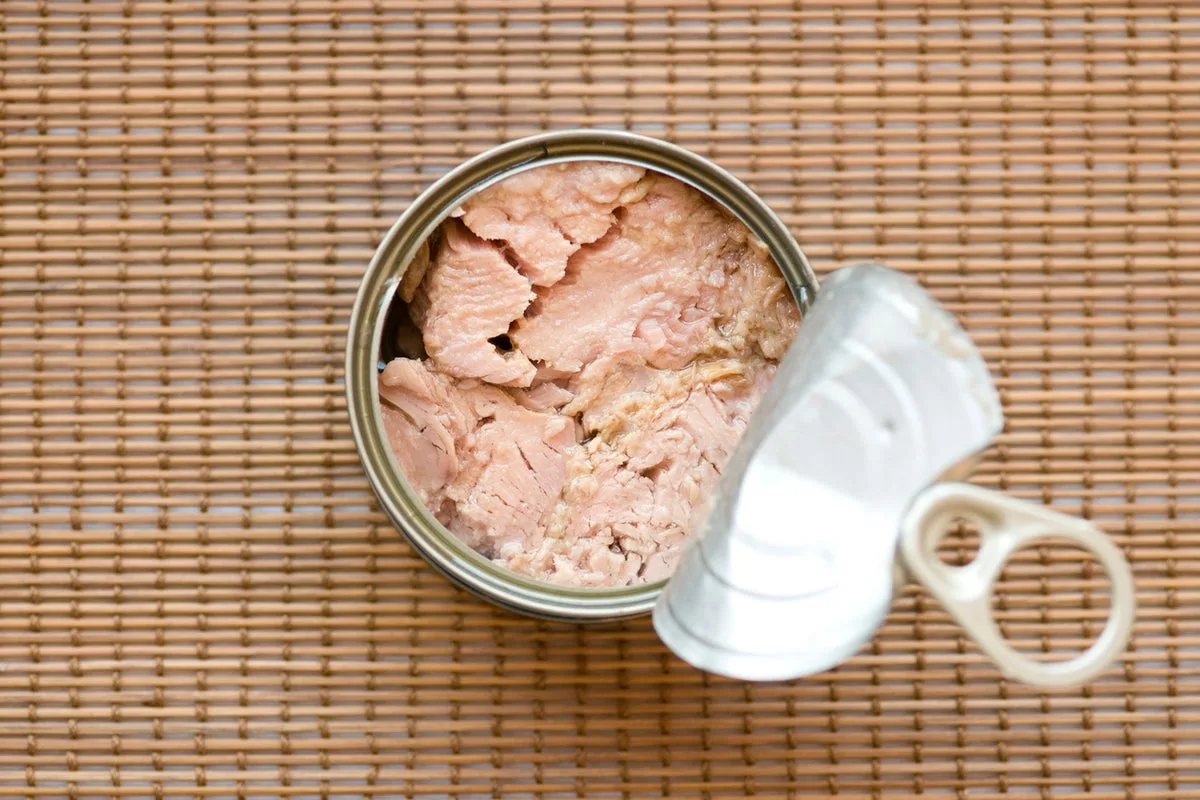
Tuna, whether mixed with mayonnaise and served in a sandwich, stirred into a pasta bake, or dolloped on a baked potato, remains a simple yet versatile store-cupboard staple. It is no surprise that it is the second most eaten fish in the UK, falling only behind salmon. Despite multiple scares about overfishing and high levels of mercury, sales of tinned tuna have soared over the last two years.
Surge in Demand
New figures released by Tesco have revealed that demand for the humble tinned fish has surged, with sales up nearly 18 per cent – the equivalent of more than two million kilograms. According to Lee Bannerman, Tesco's tinned fish buyer, this increase is largely driven by a new health-conscious crowd on social media platforms like TikTok.
Fiona Harrold, Nutritionist at LEON restaurants, says: 'One of the reasons tuna remains such a popular food is that it is convenient, affordable and versatile while still being nutritionally dense. For many people, it offers an easy way to increase protein intake without relying on heavily processed foods.'
Nutritional Profile
Tuna is rich in Vitamin D, which is vital for healthy bones and muscles, and selenium – a natural antioxidant that plays a role in the immune system. It also contains iron, needed for healthy blood, potassium for heart health, and omega‑3 fatty acids which help regulate inflammation, support brain function, and help keep cells functioning properly. Per 100g, tinned tuna in brine or spring water delivers between 25g and 30g of protein, under 1g of fat, and about 110 calories. If tinned in oil, there is the same amount of protein but about 6g of fat and 160 calories.
Canned vs Fresh Tuna
In the UK, skipjack – often labelled as 'tuna chunks' – makes up around 90 per cent of canned tuna sold, usually in brine, oil, or spring water. Albacore, or white tuna, contains more omega‑3s than skipjack but also accumulates slightly more mercury. While tinned tuna is generally more popular than fresh because of its affordability and long shelf life, fresh tuna comes with some extra health benefits. 'The canning process squeezes out the natural oils – rich in DHA and EPA which are fats linked to brain and heart health – and often adds vegetable oils or brine which are less healthy,' says Dr Carrie Ruxton, dietitian and co‑founder of SALT St Andrews gym.
Fresh tuna, such as yellowfin, bigeye, and bluefin, is prized for its meaty texture and high concentration of heart-healthy omega-3s, as well as Vitamin D and B vitamins. Larger predatory species like bluefin and bigeye are rich in healthy fats but also have higher levels of mercury and other pollutants. The canning process involves tuna being heated twice, which can damage heat-sensitive B vitamins, but Vitamin D and mineral levels remain essentially unchanged.
How Often Can You Eat Tuna?
The question of how often you can eat tuna remains a topic of debate. The main concern is mercury, as tuna sits high in the food chain and accumulates mercury from smaller fish. Eating too much can lead to methylmercury poisoning, affecting the brain and nervous system. Dr Ruxton says: 'As some fish species, including tuna, can pick up contaminants, it's not advisable to eat them every day. However, there's no need to worry if you eat fewer than four 140g cans per week.' The NHS recommends at least two portions of fish a week, including one oily fish. Fresh and frozen tuna count as oily fish, but canned tuna does not, as processing removes much of the oil. Pregnant women or those trying to conceive should have no more than four cans or two tuna steaks per week. For healthy adults, experts recommend variety, with two to three servings of lower‑mercury tuna per week alongside other fish such as sardines, salmon, and anchovies.
Oil, Brine, or Spring Water?
Tinned tuna usually comes packed in brine, spring water, or oil. Tuna in spring water is the lightest option, best for calorie-conscious diets. Tuna in brine is similar in calories but higher in sodium. Tuna in sunflower or olive oil is the highest in calories and fat but retains natural omega-3s better. Tuna packed in olive oil is widely regarded as the most flavourful.
Is Tuna Good for Cholesterol?
Tuna is generally considered a heart‑healthy choice and can be included in a cholesterol-conscious diet. It contains moderate dietary cholesterol, but medical consensus is that dietary cholesterol has a much smaller impact on blood cholesterol levels than saturated fats. To keep tuna dishes cholesterol‑friendly, opt for tuna packed in spring water or brine and be mindful of high-fat condiments like mayonnaise.
Healthy Pairings
To get the most out of tuna's health benefits, experts recommend pairing it with avocado, leafy greens, and whole grains to add fibre, carbohydrates, and healthy monounsaturated fats. Ms Harrold says one of the healthiest ways to eat tuna is as part of a Mediterranean‑style meal rather than in highly processed sandwiches or pasta dishes made with refined ingredients.