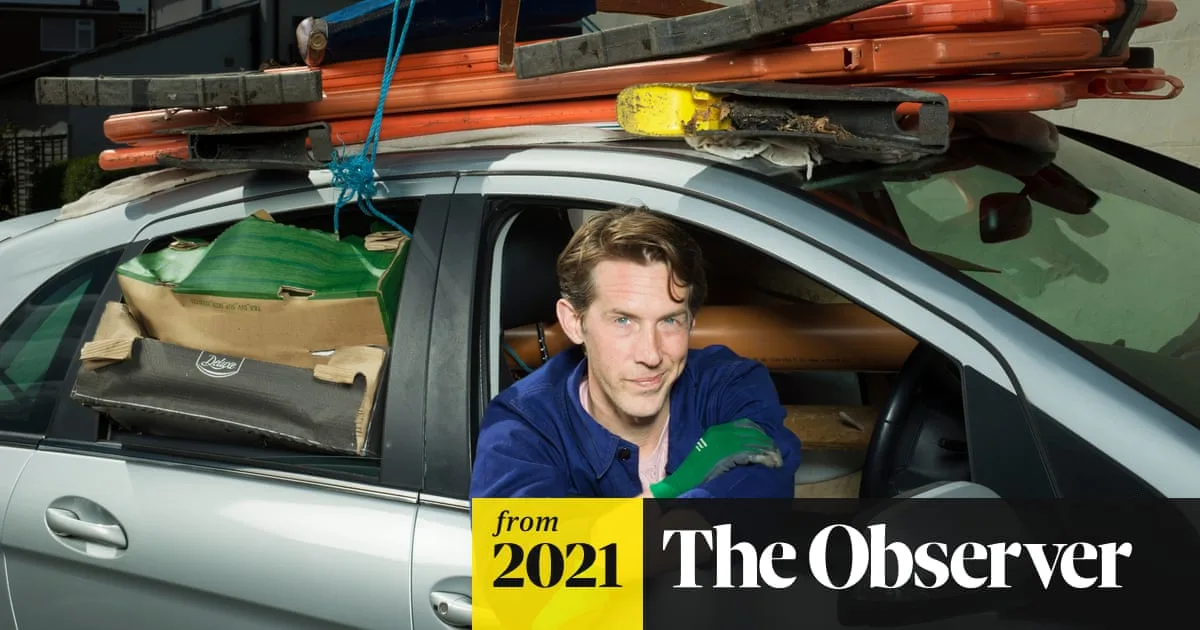
For many, a trip to the household waste recycling centre – known colloquially as the dump – is a chore. But for some, it has become a source of unexpected pleasure. One regular visitor describes it as a “favourite piece of municipal infrastructure”, and staff report that some people react as if they have “seen the Second Coming”. During the first lockdown, queues of up to 200 cars formed when the dump reopened.
The dump, located in a semi-industrial area near a motorway, has a number-plate system to manage demand, but queues of 30 to 50 cars remain common. Visitors unload everything from concrete and carpet to broken appliances and emotional baggage. The author notes the “gruff camaraderie”, the sound of rubble, and the fascination of other people’s waste. Staff like Pete, who directs cars to bays, provide what is described as “stellar customer service”.
Among the site’s machinery, the Bergmann Roll-Packer – a squat vehicle with a toothed drum – is a favourite. Marlon, who works at the centre, says it is “probably the best job I ever had”. The dump has sections for paint, metals, fluorescent tubes, spectacles, and even asbestos. Materials scientist Mark Miodownik of UCL calls it an “inverted version of a shopping mall”, noting that dumps are a product of modern consumer culture where objects are often disposable.
Miodownik draws a parallel between the dump and a bodily function: “In the same way it’s satisfying going for a poo, there is a sigh of relief for everyone leaving the dump.” He suggests that this relief comes from freeing up space for more possessions. The author admits there is “something a tiny bit shameful” about the dump’s appeal, but the joy of unloading unwanted items remains undeniable.