The average UK adult spends around 7.5 hours a day on a screen, but experts argue that not all screen time is equal. While concern about device use has led to demonisation, the reality is more nuanced. Keza MacDonald, author and video games editor, notes that spending an hour learning a language on Duolingo differs greatly from flicking through short-form videos on TikTok. The key lies in how consciously we engage.
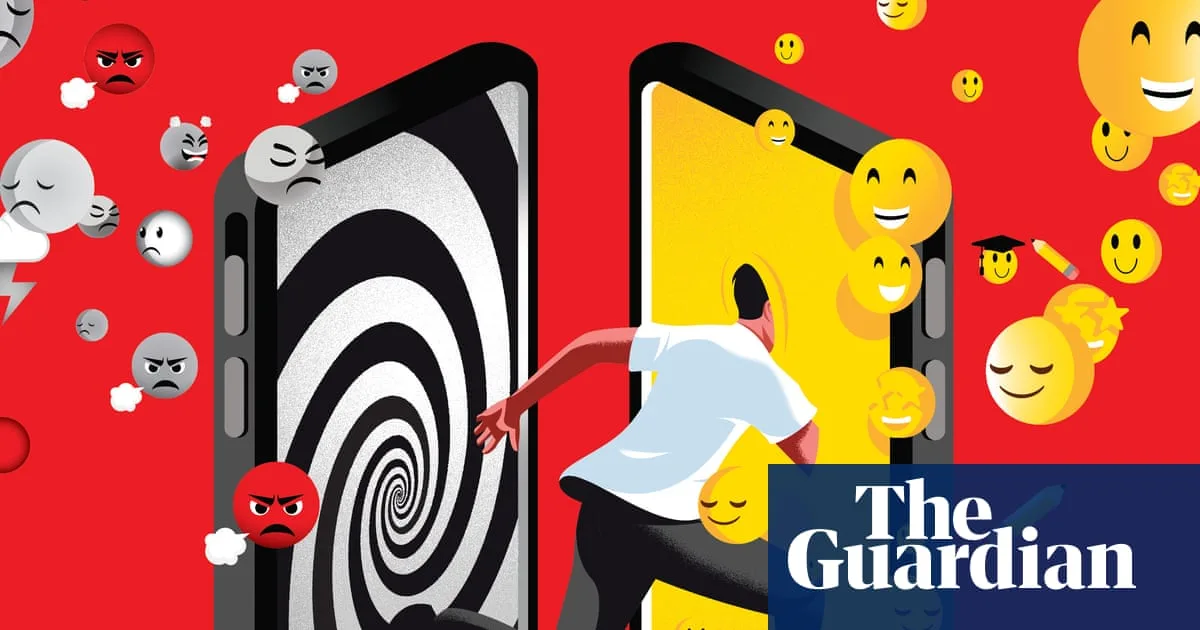
Tanay Katiyar, a PhD student at the University of Cambridge, explains that screens are not inherently harmful; it is how we use them that matters. Netta Weinstein, a psychology professor at the University of Reading, distinguishes between harmonious and compulsive use. Feeling in control while watching, playing or connecting can support wellbeing, whereas feeling unable to stop often has the opposite effect.
Gaming is often considered 'bad' screen time, but research suggests cognitive and social benefits. Strategy and open-world games can support problem-solving and neuroplasticity, while multiplayer games foster genuine friendships. Professor Andrew Przybylski of Oxford University found that motivation matters: those who played because they wanted to reported better wellbeing, while those compelled by reward loops experienced worse outcomes.
MacDonald emphasises the importance of play for adults, which can lower cortisol and boost mood. She recommends a simple check-in: ask yourself whether this is truly how you want to spend your time. Instead of heading to TikTok, consider redirecting that impulse to word games like Wordle, which engage memory and problem-solving skills, offering a more active form of screen use.