In recent years, sound baths have emerged as a popular wellness practice, promising deep relaxation and mental clarity through immersive sound experiences. But what exactly is a sound bath, and does it actually work? This article delves into the practice, its purported benefits, and the scientific evidence behind it.
What Is a Sound Bath?
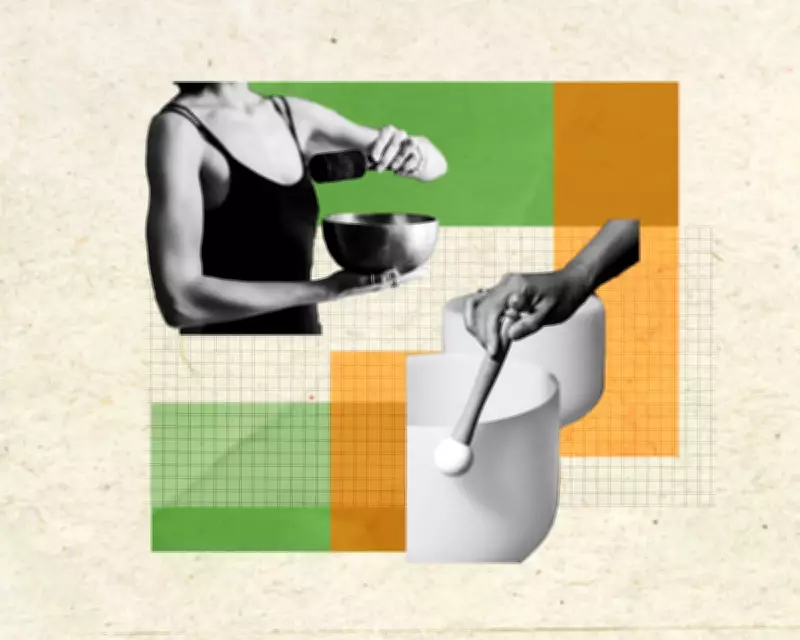
A sound bath is a meditative experience where participants lie down or sit comfortably while being bathed in sound waves produced by various instruments such as singing bowls, gongs, chimes, and tuning forks. The session is typically led by a practitioner who creates a soundscape designed to induce a state of deep relaxation. Unlike a traditional bath, there is no water involved; instead, the 'bath' refers to the immersion in sound frequencies.
How Does It Work?
The theory behind sound baths is rooted in the concept of entrainment, where the brain's brainwave patterns synchronize with the rhythms and frequencies of the sounds. Proponents claim that specific frequencies can help shift the brain from beta waves (associated with active thinking) to alpha and theta waves, which are linked to relaxation, meditation, and even sleep. Instruments like crystal singing bowls are often tuned to specific frequencies believed to correspond to different energy centers or chakras in the body.

Claimed Benefits
Advocates of sound baths report a range of benefits, including reduced stress and anxiety, improved sleep, enhanced focus, and emotional release. Many participants describe feeling a sense of peace and tranquility during and after a session. Some also claim physical benefits such as reduced pain and tension. These anecdotal reports have contributed to the growing popularity of sound baths in wellness centers, yoga studios, and even corporate settings.
What Does Science Say?
While the anecdotal evidence is compelling, scientific research on sound baths is still in its early stages. Some studies have shown that sound meditation can lead to decreases in tension, anger, and fatigue, and increases in spiritual well-being. For instance, a 2016 study published in the Journal of Evidence-Based Integrative Medicine found that participants who attended a sound bath experienced significant reductions in negative mood states. Another study from 2021 indicated that sound therapy could have a positive impact on the autonomic nervous system, helping to lower heart rate and blood pressure.
However, critics point out that many studies are small, lack control groups, or rely on self-reported outcomes. The mechanisms by which sound baths might affect the nervous system are not fully understood, and more rigorous research is needed to confirm these effects. Some scientists suggest that the benefits may be due to the placebo effect or the general relaxation response triggered by lying down in a quiet, supportive environment.
The Role of the Nervous System
The nervous system plays a key role in how we respond to stress and relaxation. The autonomic nervous system has two main branches: the sympathetic nervous system (responsible for the fight-or-flight response) and the parasympathetic nervous system (which promotes rest and digest). Sound baths are thought to activate the parasympathetic system, helping to counteract the effects of chronic stress. The slow, rhythmic sounds may also encourage slower breathing and a decrease in heart rate, further supporting relaxation.
How to Experience a Sound Bath
Sound baths are widely available in many cities. To experience one, you can check local wellness centers, yoga studios, or meditation groups. Sessions typically last between 30 and 60 minutes. Participants are advised to wear comfortable clothing, bring a yoga mat or blanket, and arrive with an open mind. Some practitioners also offer online sound baths via streaming platforms, making them accessible from home.

Conclusion
Sound baths offer a unique and immersive way to relax and unwind, with many participants reporting positive effects on their mental and emotional well-being. While the scientific evidence is not yet conclusive, the practice appears to be safe for most people and may provide a valuable tool for stress management. As research continues, we may gain a clearer understanding of how sound frequencies interact with the brain and body. For now, if you are curious about sound baths, they are certainly worth trying as a complement to other relaxation techniques.