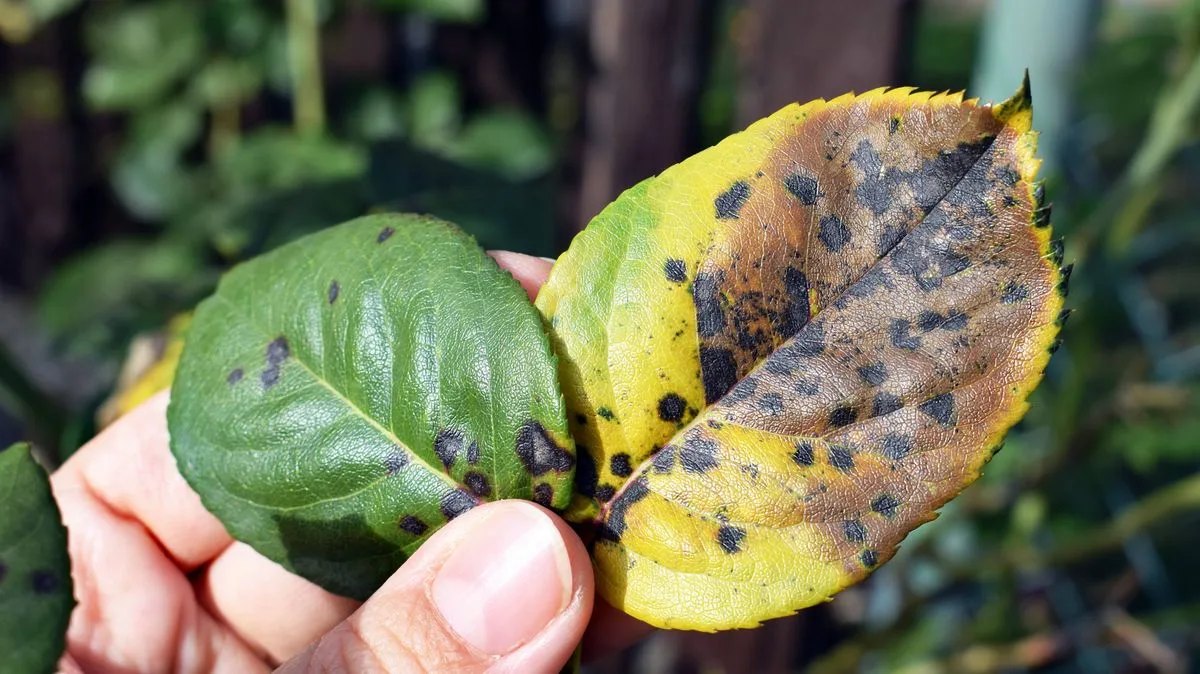
Roses are beginning to bloom in gardens across the country, but gardeners should be aware that spring can be a challenging season for these beloved flowers. A common fungal disease known as black spot often strikes during this time, as spores thrive when the soil warms up while remaining damp from spring rains.
Understanding Black Spot
Black spot derives its name from the distinctive large, blotchy dark patches that appear on rose leaves. These infected leaves eventually fall off, spreading the infection throughout the garden. While black spot alone is unlikely to kill roses completely, it weakens the foliage, preventing the plant from capturing enough energy and making it more vulnerable to pests and other diseases. The condition also reduces flowering, leaving the plant sparse and lifeless, and increases the risk of dieback during summer heat.
Natural Prevention with Milk
Joe, a gardener and founder of In the Wild Garden, has shared a surprisingly effective natural method to prevent or combat black spot: spraying roses with milk. He recommends mixing a solution of one part full-fat milk to two parts water in a spray bottle. Apply the spray to the remaining leaves of the plant and repeat every week.
When milk is exposed to sunlight, it produces compounds that are toxic to fungal spores, halting their spread. Additionally, milk forms a thin film on the leaf surface, making it difficult for spores to attach, thus acting as a protective barrier. Using milk can help ward off black spot in spring or slow the disease's progression if caught early, giving the plant a better chance of recovery.
How to Apply the Milk Spray
To keep black spot out of your garden, maintain a tidy outdoor space. Black spot spores spread through decaying foliage, so regularly clear away leaves and debris from around the base of your roses. Mulching your roses with compost or wood bark also helps prevent infection, as spores tend to splash up onto the plant during rainfall.
Apply the milk solution once a week: combine one part milk with two parts water in a spray bottle, then mist the leaves lightly to coat them without saturating. Inspect your plants weekly for signs of black spot. If you spot it, strip the plant of all leaves, dispose of them in a bin, and continue applying the milk solution.
Be mindful of the smell: milk can produce an unpleasant odour, especially in hot weather. Avoid spraying in the afternoon when the sun is strongest. Instead, apply the spray in the morning so leaves dry quickly, or in the evening. Joe warns that the smell of milk in the garden on a hot day is not pleasant. If applying in the evening, ensure the roses are completely dry afterwards to avoid attracting slugs or other pests.