Doctors Reveal How to Repair Skin Damage After UK Heatwave
Repairing Skin Damage After UK Heatwave: Doctor Tips

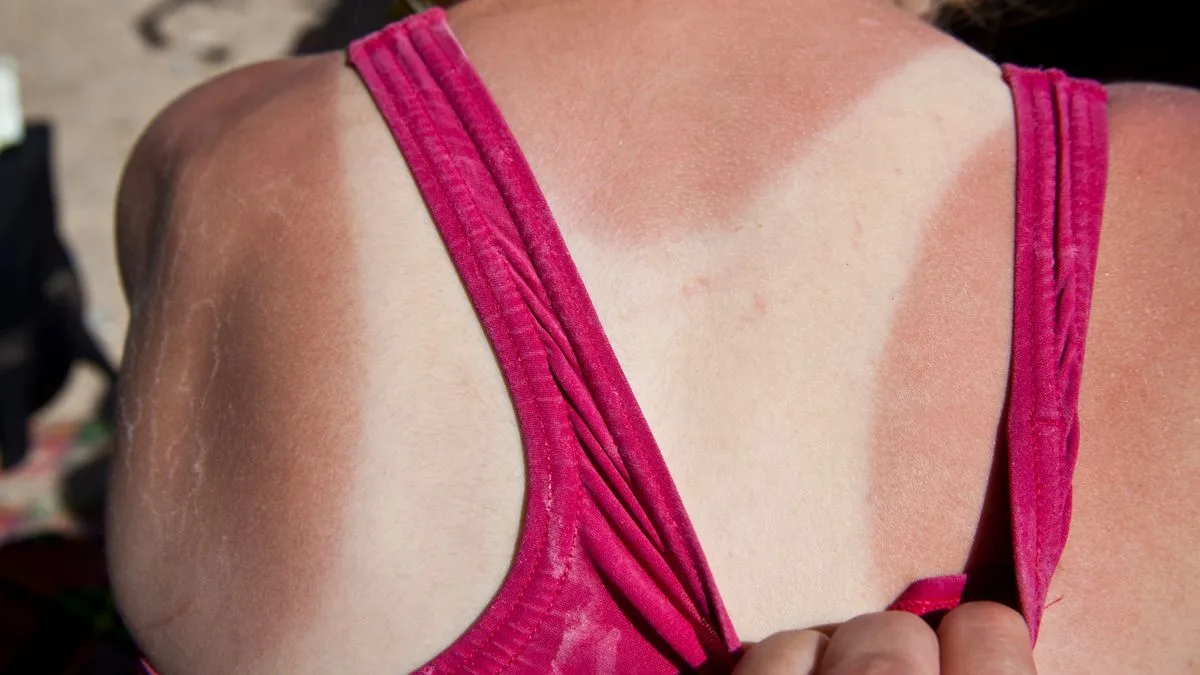
A heatwave has swept the UK this week, leading many to spend more time in the sun than advisable. UV exposure, even with regular SPF usage, can leave its mark on the skin. Freckles, dullness, and wrinkles are all signs of sun damage. But can this damage truly be undone? Doctors are sharing their insights on treatments and preventative care that can make a real difference.

Spot the Signs

Uneven skin tone, new freckles, or a rough texture can be more than just seasonal side effects. Skin health and cosmetic doctor Dr Amiee Vyas, founder of Doctor Amiee Facial Aesthetics & Skin, explains: “The most common signs of sun damage are hyperpigmentation, wrinkles and fine lines, freckles, dark spots and a dry, rough texture.” It is not just about aesthetics either. Persistent patches of discolouration, particularly those appearing symmetrically on areas like the cheeks, nose, or forehead, may be signs of melasma, a more stubborn form of pigmentation. Aesthetics doctor Dr Jessica Halliley adds: “You might also notice dark spots that weren’t there before or areas where the skin feels thicker or more leathery.”

Can You Actually Undo the Damage?

While the effects of UV exposure are not technically reversible, they can be treated quite effectively. Dr Vyas notes: “Sun damage cannot be reversed as such, but it can be treated and improved significantly.” Visible improvement in tone, texture, and radiance is possible, especially when combining at-home routines with professional help. Dr Halliley recommends: “Look for skincare with active ingredients like vitamin A (retinols, retinals), vitamin C (L-ascorbic acid), and peptides, which support cell renewal, repair, and boosting collagen stimulation.” Potent actives will have the biggest effect on visible signs of sun damage. Dr Vyas says the most effective ingredients to treat sun-damaged skin are retinoids, vitamin C, antioxidants, and AHAs, commonly found in serums and toners.

Wide Pickt banner — collaborative shopping lists app for Telegram, phone mockup with grocery list

Should You Get a Professional Treatment?

For those seeking faster or more dramatic results, professional treatments work deeper than topical skincare alone. Dr Halliley explains: “In-clinic treatments such as chemical peels, targeted laser pigmentation treatments, or micro needling can fast-track results.” She says micro-needling is particularly effective for collagen stimulation and treating pigmentation if the ageing effects of the sun are the main concern. Laser technology can also target deeper issues like melanin deposits and fine lines. Dr Vyas describes: “Laser treatment effectively addresses sun damage by targeting and breaking down melanin, the pigment responsible for sunspots and uneven skin tone. It also helps to stimulate collagen production, which can improve skin texture and reduce the appearance of fine lines and wrinkles associated with sun damage.”

When to Start Treating Sun Damage

While repair can begin at any point in the year, there is a strategic benefit to starting post-summer. Dr Vyas advises: “You can start any time of the year, but I recommend starting in autumn when the UV rays are low.” The rationale is simple: lower UV exposure means less risk of additional damage while the skin is healing. More aggressive treatments like peels or lasers are best left until the sun weakens. Dr Halliley notes: “For more invasive options, late summer and early autumn are the ideal time to start. That said, a good repair-focused skincare regime can begin at any time.”

How to Protect Your Skin Going Forward

Prevention does not end with the summer holidays. Daily hydration and SPF50 are non-negotiables, even in cloudy British weather. Dr Vyas advises: “Make sure that you’re wearing SPF50 all-year-round to protect your skin from the sun’s harmful UV rays.” Wide-brimmed hats, sunglasses, and sun avoidance during peak hours might feel like overkill in October, but the skin remembers every ray. Simple habits like cleansing properly, topping up sunscreen, and avoiding harsh scrubs can make a world of difference in maintaining results. Dr Halliley adds: “Add a broad-spectrum sunscreen into your morning routine and top up if you’re outside for longer periods.”

Pickt after-article banner — collaborative shopping lists app with family illustration