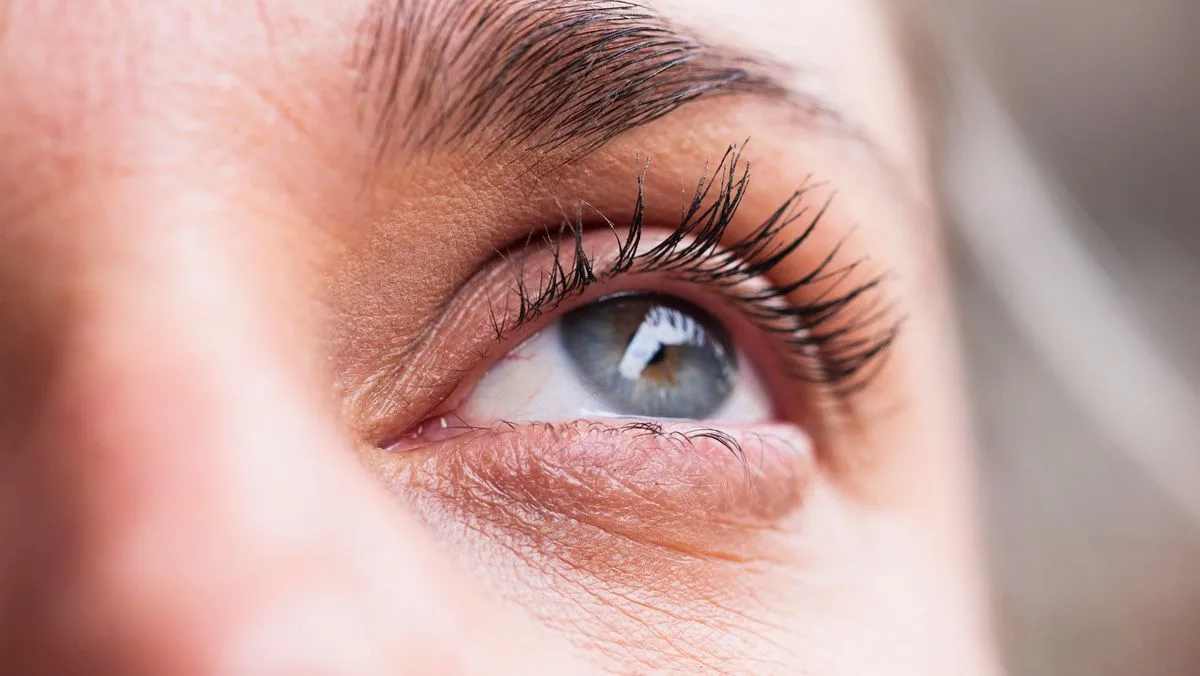
Eye Surgeon Warns Hay Fever Habit Could Permanently Damage Eyesight
Hay Fever Habit Risks Permanent Eye Damage, Surgeon Warns

Millions of people suffer from hay fever symptoms every year, including coughing, sneezing, and watering or itchy eyes. According to Allergy UK, the UK has some of the highest prevalence rates of allergies, with studies showing that almost half (49%) of people report suffering from hay fever symptoms.

The Hidden Danger of Eye Rubbing

One common habit that many people rely on for relief could be putting their eyesight at risk, an eye surgeon has warned. Experts say that repeatedly rubbing itchy eyes during allergy season can cause more harm than people realise.

As pollen levels rise, millions experience irritation, dryness, and intense itching around the eyes. However, specialists warn that constantly rubbing them to relieve symptoms can lead to longer-term damage if it becomes a regular habit.

Wide Pickt banner — collaborative shopping lists app for Telegram, phone mockup with grocery list

Expert Warning

Mr Mohammad Dehabadi, Consultant Ophthalmic Surgeon at OCL Vision, explains that hay fever symptoms are becoming more noticeable with changing weather patterns and higher pollen levels. He notes that redness, itching, and discomfort can make it very tempting to rub the eyes, even though this can worsen the problem.

“With high pollen counts, we see a lot more patients with red, itchy and uncomfortable eyes, and in some cases even a temporary reduction in vision. It’s very tempting to rub them but that’s exactly what you should try to avoid,” he says.

Why Eye Rubbing Is Harmful

Mr Dehabadi says one of the main concerns is the impact repeated rubbing can have on both the surface of the eye and the delicate skin around it, which is some of the thinnest in the body. This makes it particularly vulnerable to damage.

“Repeated rubbing creates micro-trauma which can affect the skin and the eye itself. Over time that can contribute to changes around the eyelids and increase irritation, rather than relieve it,” he explains.

He adds that excessive rubbing can also affect the cornea, the clear outer layer of the eye that plays a key role in vision. In some cases, this can contribute to permanent conditions that impact how the eye focuses light.

Seasonal Risk

During hay fever season, the urge to rub the eyes can become much more frequent due to persistent itching and discomfort. This can create a cycle where irritation leads to rubbing, which then worsens the symptoms further.

“Allergies make the eyes more sensitive so people end up rubbing them repeatedly throughout the day. Unfortunately, that can make the symptoms worse and prolong the problem,” Mr Dehabadi says.

What to Do When Itching Starts

Instead of rubbing, experts recommend treating the underlying cause of the irritation to properly control symptoms. This can include using lubricating eye drops alongside antihistamine treatments to reduce inflammation and discomfort.

“Getting on top of the symptoms is key. Using the right drops regularly can make a big difference and reduce the urge to rub your eyes,” Mr Dehabadi advises.

He adds that people should seek further advice if symptoms are not controlled with over-the-counter treatments. “If symptoms persist it’s important to speak to an optometrist or specialist as stronger treatments may be needed,” he says.

Pickt after-article banner — collaborative shopping lists app with family illustration




