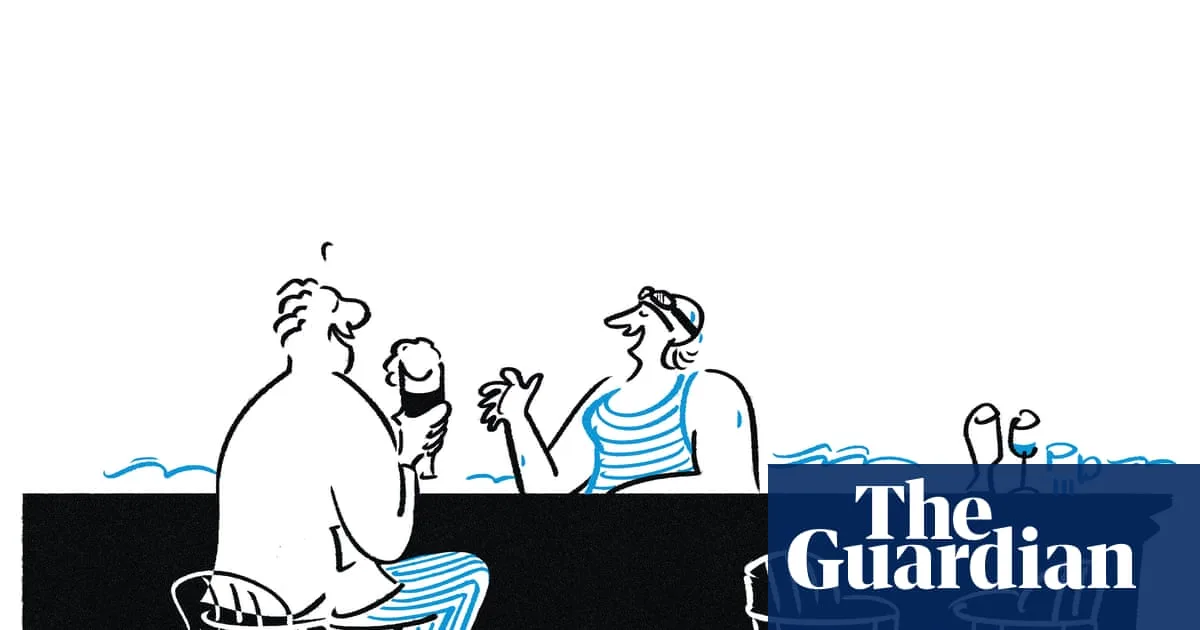
Iceland's swimming pools are more than just places to exercise; they are community hubs. With one pool for every 2,500 people, swimming is ingrained in the national psyche. Film-maker Jón Karl Helgason, who made the documentary Sundlaugasögur, says: 'You Britons go to the pub, but we go to the swimming pool.' He pays just £25 a year for unlimited access to his local pool in Reykjavík. The pools are geothermally heated, making them affordable, and phones are banned, encouraging social interaction.
In Ukraine, fermented foods are a long-standing tradition, not a health fad. Felicity Spector, author of Bread and War, notes that preserving vegetables through lacto-fermentation is common, especially during winter or times of conflict. 'Vegetables are preserved by dry salting, then putting a weight on top, or covering them in brine,' she explains. These foods, such as kefir and sourdough, are rich in probiotics that support gut health. Unlike in Britain, where kefir is expensive, in Ukraine it is sold cheaply in old Coca-Cola bottles at markets.
The Swiss traditionally eat five meals a day: breakfast, a mid-morning snack, lunch, an afternoon snack, and dinner. Dietitian Sandra Mikhail says most Swiss people she works with average four meals. This structured eating pattern may help regulate appetite and metabolism.

Adopting these habits could improve physical and mental health. Iceland's pools offer community and exercise; Ukraine's fermented foods boost gut health; and Switzerland's meal schedule promotes mindful eating. All are affordable, time-honoured practices worth embracing.