Morning Rituals and the Brahma Muhurta
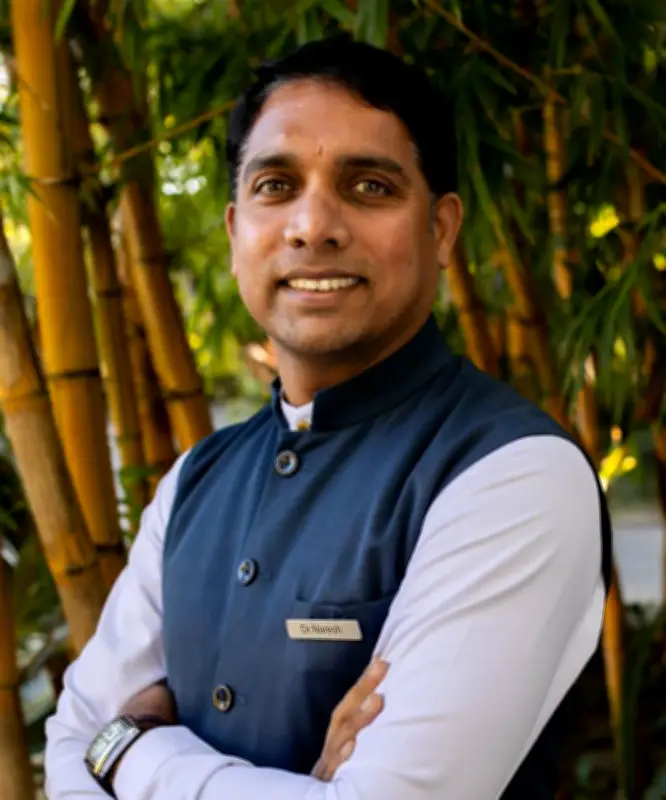
Dr Naresh Perumbuduri, Senior Ayurvedic Physician at Ananda in the Himalayas, wakes between 5 and 5.30am. This period, known in ayurveda as Brahma muhurta (roughly 90 minutes before sunrise), is when the mind is naturally clear and the nervous system is at its most settled. He does not begin his day by reaching for a phone. Instead, he sits quietly and observes how his body feels: digestion, energy levels, and the quality of his sleep.
After this initial check-in, he performs oil pulling, tongue scraping, and drinks warm water with ginger. He then spends 30 to 40 minutes on pranayama (breathing exercises) and a short asana (movement) practice, calibrated to his constitution and the season. Breakfast is light—cooked grain, ghee, and a little rock salt, eaten without rushing. The largest meal is at midday, when digestive fire is at its peak. According to Dr Perumbuduri, many guests with metabolic concerns see measurable improvements when meal timing alone is corrected.
Supplements and Physical Practice
Dr Perumbuduri takes a small selection of classical ayurvedic supplements: chyawanprash during cooler months, and medhya rasayanas such as brahmi and ashwagandha consistently. He describes these as the original cognitive and adaptogenic compounds, documented in clinical detail for over two thousand years.

His physical practice is largely yogic and varies with his energy. Some mornings involve vigorous asana, breath retention, and standing sequences; others, especially during intensive clinical periods, are restorative—long holds, breathwork, and a short yoga nidra (yogic sleep). In winter, he finds sweda (classical ayurvedic sudation therapy) particularly useful. Sweda therapy has been prescribed for musculoskeletal complaints, circulatory health, and detoxification in classical texts for centuries. Guests sometimes arrive at Ananda having tried cold plunges, infrared saunas, and compression recovery devices. Dr Perumbuduri does not dismiss these, but helps them understand the physiological mechanisms through an ayurvedic lens.
Diagnostic Process and Technology
An ayurvedic physician’s diagnostic process relies on direct observation. Nadi pariksha (pulse diagnosis) reads constitutional imbalances, nervous system state, organ function, and emotional patterns with a granularity that no wearable currently replicates. Dr Perumbuduri does not use wearables himself, but finds that readings from health tracking devices can support his observations and clinical diagnosis for clients. He notes that some guests arrive effectively estranged from their own bodies: they know their VO2 max and deep sleep percentage, but cannot tell how they feel.
Evening Wind-Down and Key Advice
For fatigue during heavy clinical periods, Dr Perumbuduri steps away for 15 minutes with eyes closed, practicing yoga nidra—not sleep, but a guided rest that achieves deep nervous system recovery. He prescribes this to guests who say they cannot meditate. He tries to complete dinner before 8pm, ideally earlier, as the evening meal is lighter than midday. The digestive fire is descending, and a heavy meal after dark creates ama (incompletely processed residue) that accumulates and becomes the substrate for disease over time.
After dinner, he walks a bit, then winds down with warm oil on the feet, a short breathing practice, and sometimes a mantra. He is usually asleep before 10pm.
Dr Perumbuduri emphasizes that everything starts with timing. He advises spending the first 10 minutes of the morning in silence before touching a screen, beginning the day with cleansing dinacharya practices, eating the main meal at midday, being in bed before 10pm, and practicing at least one self-application of oil (self-massage) weekly. These adjustments cost nothing, and if followed for 30 days, they produce changes that no supplement can deliver.