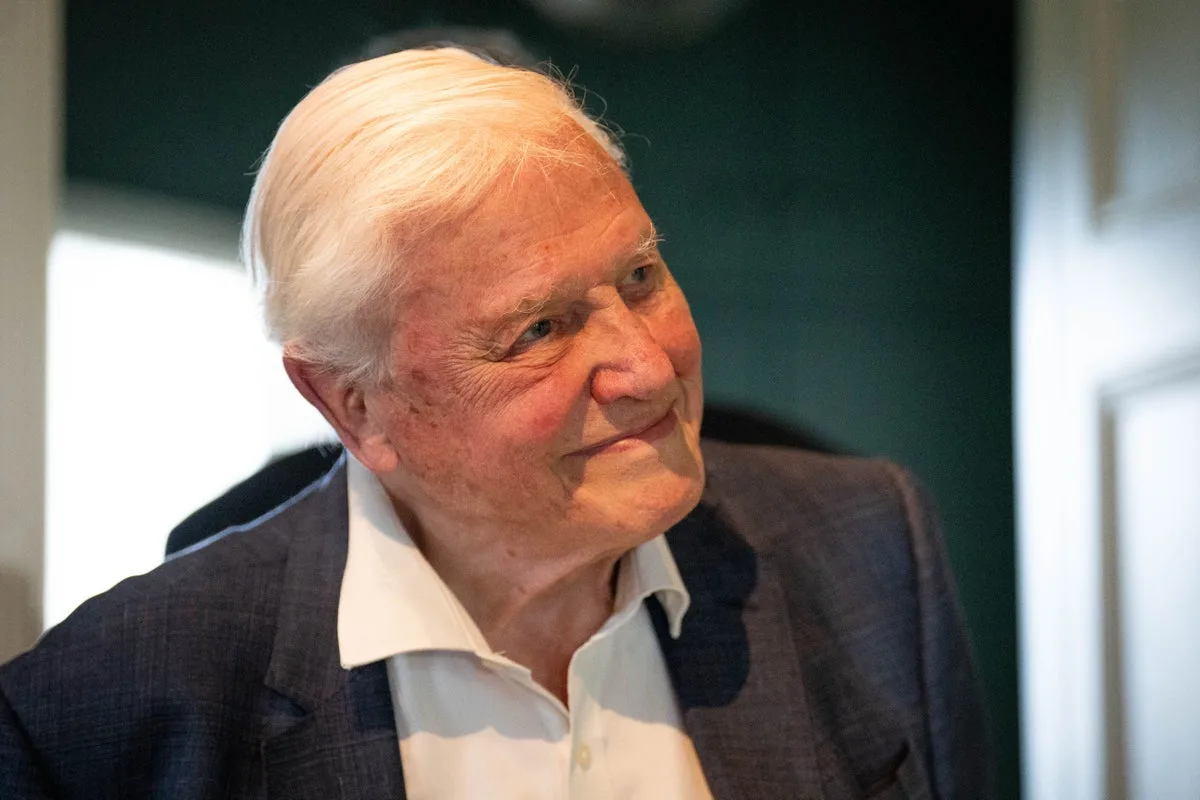
Sir David Attenborough, the beloved natural historian and environmental advocate, is set to mark his 100th birthday next month on 8 May. This extraordinary milestone not only celebrates a seven-decade career that has profoundly shaped our understanding of the natural world but also prompts reflection on the secrets to a long and healthy life. The BBC will commemorate the occasion with a week of special programming, including a new documentary, Making Life on Earth: Attenborough’s Greatest Adventure, offering a behind-the-scenes look at his seminal 1979 series, Life on Earth.
While human life expectancy has steadily risen over the past two centuries, reaching a century remains a remarkable achievement, sparking widespread curiosity about the factors contributing to such longevity. Dr Mohammed Enayat, a GP and founder of London-based longevity clinic HUM2N, defines this increasingly popular health trend as 'an approach that seeks to have your health working for you for as long as possible to ultimately give you the best quality of life for as long as possible.' He explains that longevity medicine focuses on implementing interventions to prevent the decline, deterioration, dysfunction, and disease often associated with ageing.
Dr Enayat highlights several crucial areas for individuals aiming to boost their own chances of living to 100. 'Movement is a very important pillar of health because we need to make sure we put our body through enough energy expenditure requirements so that it can stay metabolically healthy, but also maintain muscle mass and function of the musculoskeletal system,' he states. To preserve these vital functions into later life, he advises prioritising strenuous exercise and focusing on posterior chain muscles such as glutes, hamstrings and core.
Chronic stress can have profoundly detrimental effects on our health. 'Stress drives a massive inflammatory response in the body,' Dr Enayat warns. 'It can dysregulate our blood sugar and make us insulin resistance, which causes downstream effects.' He therefore suggests developing strategies for stress regulation, such as breath work, meditation, prayer or gratitude, to bring the nervous system back to balance.
Sleep is another crucial component. 'Lots of good things happen in our sleep that help us live longer and healthier,' Dr Enayat explains. He recommends avoiding stimulation late at night, particularly blue light, and avoiding eating too late or alcohol, which can prevent deep sleep. Adjusting the sleeping environment with blackout blinds and cooler temperatures can also be beneficial.
Diet also plays a key role. 'What we consume through our diet is really important because with bad diet comes inflammation, hormonal imbalance and metabolic dysfunction,' says Dr Enayat. He advises a diet rich in fibre, healthy fats and protein, and suggests a 12-hour overnight fast to support metabolic health. Finally, he emphasises the importance of social connection, noting that strong relationships are linked to lower stress and better health outcomes.