

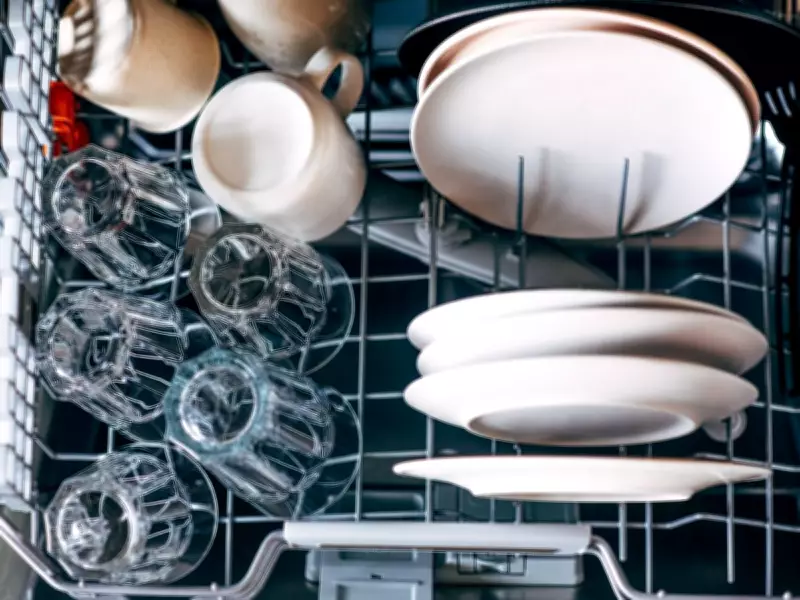
Dishwashers can be kept odour-free and clean using two common cupboard staples, according to an appliance expert. Limescale and grime can be removed quickly with a simple hack involving bicarbonate of soda and white vinegar, costing under 50p per clean.
The Problem of Limescale in British Homes
Limescale is a widespread issue in British households, particularly affecting appliances such as washing machines, dishwashers, and kettles. To prevent build-up and maintain efficiency, experts recommend a thorough clean once a month. Several methods exist, but one specialist advocates a natural solution.
Michael White, appliance expert at Marks Electrical, explained: "If you live in an area with hard water, you might notice limescale build-up inside your appliances from minerals like calcium and magnesium. Over time, this can reduce their efficiency and shorten their lifespan due to the residue left behind."

He added: "Whilst it's unlikely to cause immediate problems, overlooking it in the long term is where people go wrong. These mineral deposits will eventually reduce the efficiency of appliances that use water."
Signs Your Dishwasher Needs Cleaning
Mineral deposits can cling to internal components such as filters and spray arms, affecting how evenly water is sprayed during a cycle. If glassware consistently comes out cloudy or dull, it could indicate the appliance needs cleaning.
The Expert-Recommended Cleaning Method
Michael recommended tackling the inside of the dishwasher using bicarbonate of soda and white vinegar. This eco-friendly pairing packs a serious cleaning punch and is cost-effective, with each clean costing as little as 50p.
The expert advised: "Start by making sure the dishwasher is empty and remove any visible debris, such as leftover food or anything blocking the filter. In a small bowl, mix around four tablespoons of bicarbonate of soda (about 70g) with enough water to form a thick paste."
Using a soft-bristled brush or sponge, spread the paste across the interior surfaces, paying particular attention to heavily soiled spots such as the spray arms, filter area, and interior walls. Leave it to sit for 15 to 20 minutes before running the dishwasher on its hottest setting.
Final Step for Odour Removal
Michael added: "To finish, you can run another hot cycle with a bowl of 250ml of white vinegar placed on the top rack. Vinegar helps flush away loosened residue and neutralise lingering odours."
This simple, affordable method ensures dishwashers remain efficient and odour-free, extending their lifespan and improving performance.






