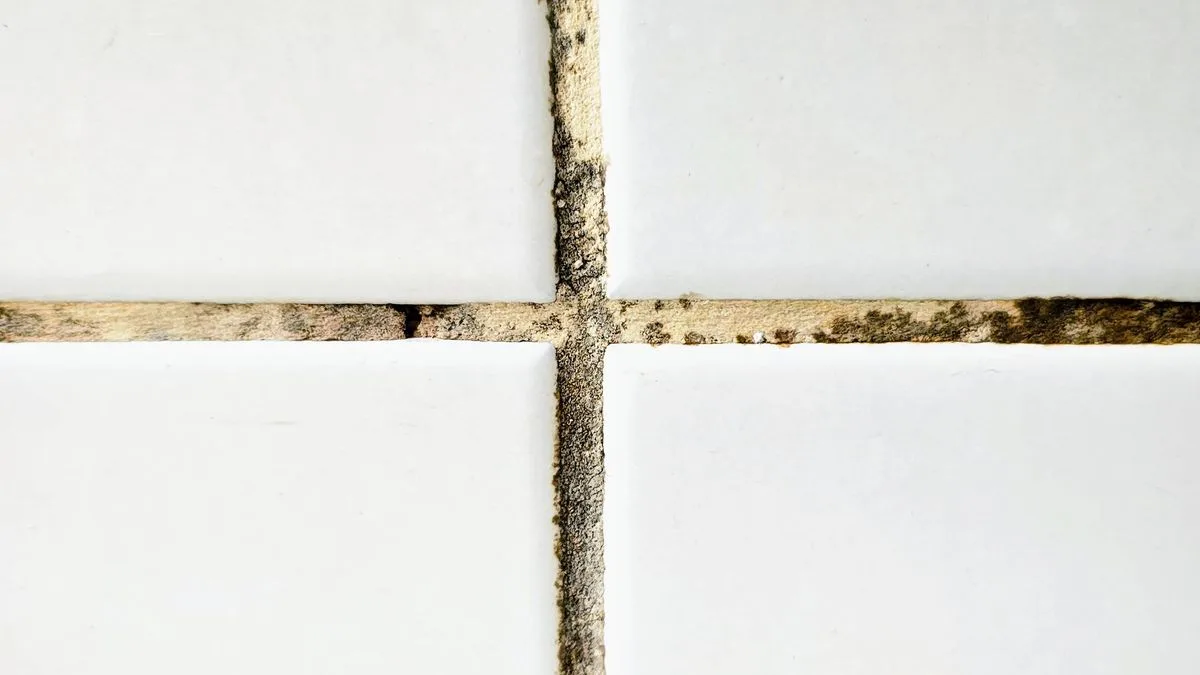
Cleaning experts have warned that bleach is ineffective at permanently removing mould, recommending hydrogen peroxide as a superior alternative. While bleach can lighten surface stains, it fails to kill mould spores, allowing the fungus to return within days or weeks.
Professional cleaner Allison, known as @allisonscleanin on Instagram, demonstrated the method on her shower grout. She explained that hydrogen peroxide eliminates mould 'for good', whereas bleach only offers a temporary fix. She suggests diluting hydrogen peroxide with equal parts water for cost-effectiveness, though full-strength application is also effective.
Another cleaning influencer, @anna_louisa_at_home, recommends adding tea tree oil to hydrogen peroxide. She warns that bleach not only fails to kill spores but can also produce toxic gas when used on mould. Her recipe combines one cup of 3% hydrogen peroxide with one teaspoon of tea tree oil in a spray bottle.

Tea tree oil works by breaking down mould spore cell walls, causing them to rupture and preventing regrowth. To use, spray the solution onto the affected area, layer tissue over it, spray again until soaked, then peel away the tissue and wipe clean.