
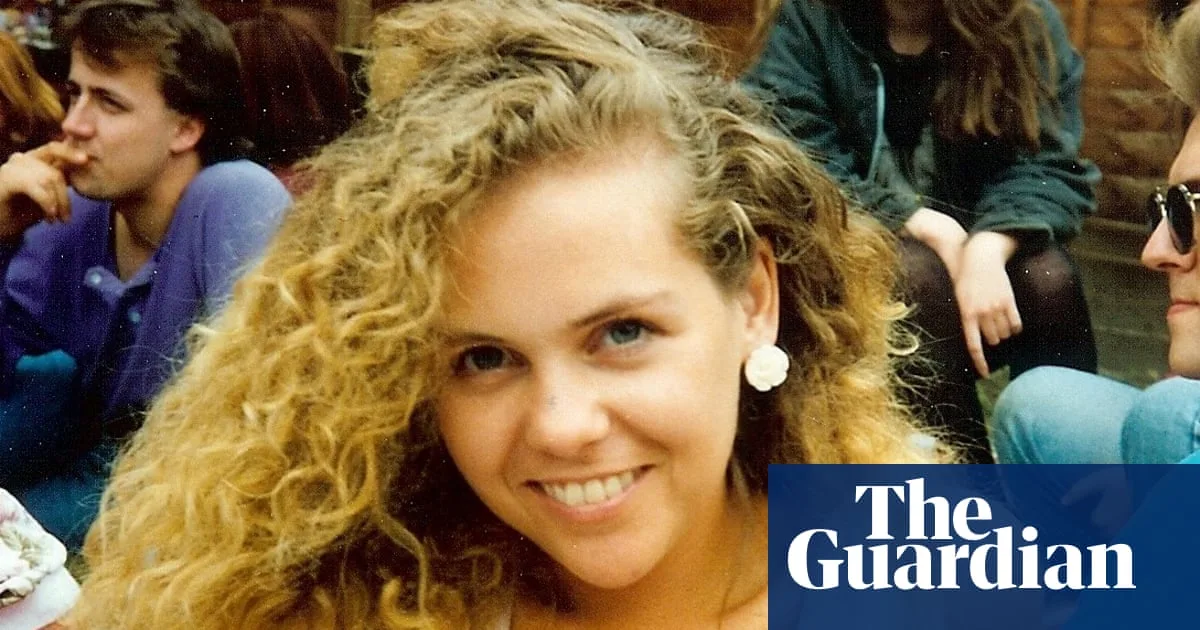
I became a pescatarian at 16 in the 1980s, a decision that baffled my family and friends in the north-east of England. At the time, BSE had recently emerged in the UK, and evidence linked meat consumption to health risks. The smell from a local tannery and abattoir also influenced my choice.
My loved ones regarded my decision as strange and rebellious. Mealtimes became repetitive, with endless questions about what I would eat. I was often asked if I was trying to stay slim or draw attention, and some felt I was moralising. Friends even discussed whether my dietary limitations would lower my social attractiveness.
My pescatarianism led to greater activism. I protested outside Boots for cruelty-free beauty products and read Linda McCartney's interview in the Vegetarian Society magazine. I politely declined meat at least twice a day for years, facing challenges from boyfriends' mothers, restaurant staff, and people in Italy and Botswana where I later lived.
At university in 1987, vegetarians were made to sit at a separate table. When I suffered a slipped disc, a doctor suggested it was due to lack of meat in my diet. These experiences taught me to establish boundaries and say no, something I had struggled with as a people-pleaser.
Learning to articulate what made me comfortable gave me confidence that lasted into adulthood. I have since asked for promotions, pay rises, and apologies, and found seats at many tables. Being a pescatarian is now uncontroversial, but I am grateful for the baptism of fire that taught me to live on my own terms.




