Going to the theatre is a magical experience that should be accessible to everyone. While many shows offer regular performances and wheelchair-accessible seating, those with auditory processing difficulties often struggle to follow live productions. For neurodivergent individuals, such as those with autism or ADHD, understanding dialogue and lyrics can be a challenge.
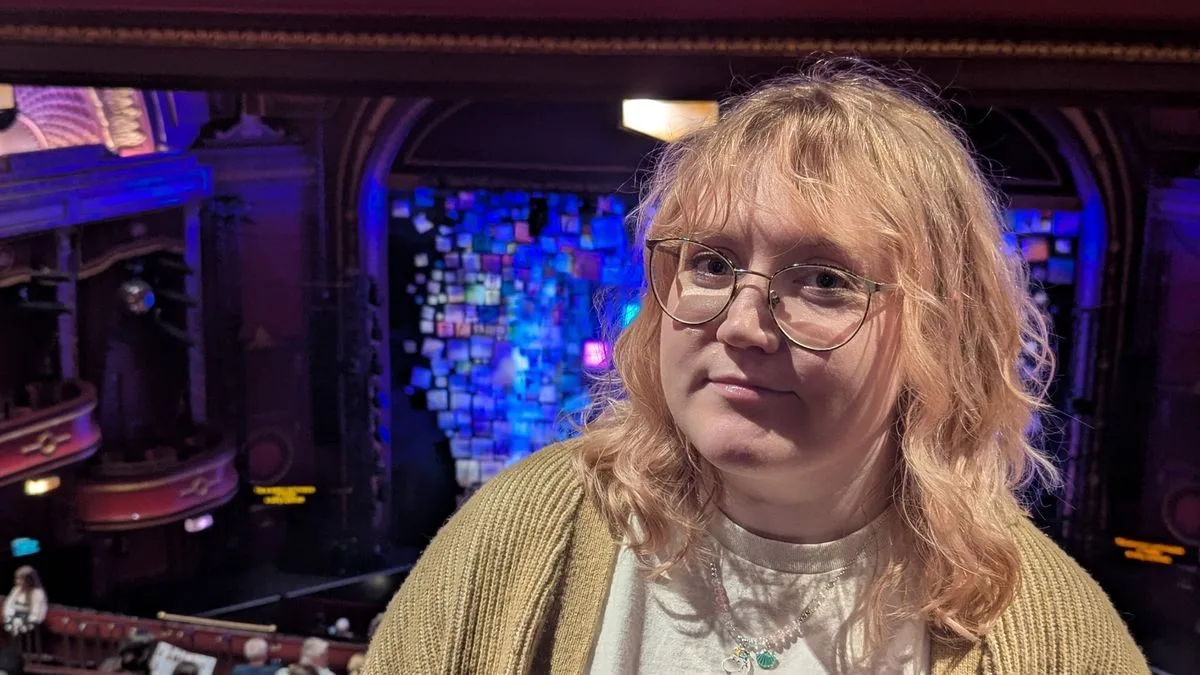
Auditory processing disorder (APD) affects the brain's ability to interpret sounds, despite normal hearing. This condition often co-occurs with ADHD, autism, or dyslexia. For one journalist, this meant only grasping about half of a performance. However, a captioned showing of Matilda at Southampton's Mayflower Theatre proved to be a revelation.
The theatre had two small screens on either side of the stage displaying captions for all dialogue, songs, and audio cues. While the placement required audiences to choose between watching the stage and reading the captions, the system was still effective. The captions lagged slightly behind the action, allowing viewers to watch first and glance at the screens to confirm what was said.

Captioned performances are not only beneficial for neurodivergent people but also for those who are deaf or hard of hearing, and for non-native English speakers. The experience demonstrated that live theatre can be made more inclusive with relatively simple adjustments, though ideal placement would be above the stage for easier viewing.