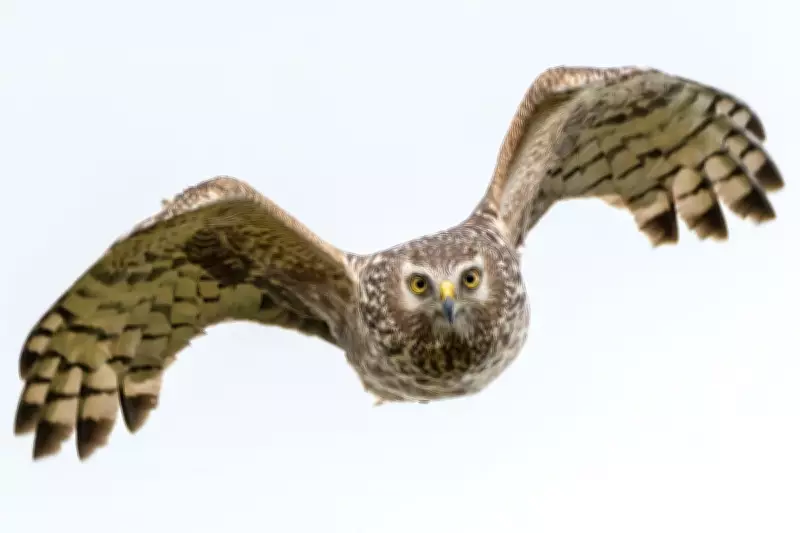
Hundreds of rare birds of prey have been shot, trapped, or poisoned in crimes believed to be linked to the gamebird shooting industry, according to new figures from the Royal Society for the Protection of Birds (RSPB).
From 2015 to 2024, at least 921 cases of raptor persecution were recorded across the UK. More than half (55 per cent) of these incidents occurred on land managed for gamebird shooting, and two-thirds of people convicted in court were associated with the industry, a report by the charity reveals.
Birds from 18 legally protected species, including many reintroduced and recovering species of conservation concern, were killed during that decade. Buzzards were the hardest hit, with 319 confirmed cases, followed by red kites (157 incidents) and peregrines (97). In total, 805 birds were confirmed killed in these attacks.

However, the RSPB warns that these figures represent only a fraction of the true number of crimes, which is likely much higher. Birds of prey are killed to prevent them from preying on pheasants, partridges, or grouse, which are bred for shooting by paying customers on estates whose business relies on this activity.
The charity argues that laws in place for over 60 years have failed to protect raptors from those involved in shooting. It is now calling for gamebird shooting in the UK to be licensed, pointing to a change in Scottish law in 2024 that introduced licensing for grouse shooting.
The report, titled Patterns of Persecution, states that evidence from police investigations, intelligence reports, witness accounts, and covert footage shows a significant link between raptor persecution and the gamebird shooting industry. On some shooting estates, birds are shot, trapped, or poisoned, while nests and eggs are destroyed, and chicks are killed before fledging. Even owls, kestrels, marsh harriers, and ospreys have been targeted.
Despite the scale of the problem, only 24 people were convicted of offences related to bird of prey persecution between 2015 and 2024. More than half of those convicted were gamekeepers.
The British Association for Shooting and Conservation (BASC) opposes a licensing system, arguing that such crimes are committed by a small minority and have no place in the modern shooting community. Marnie Lovejoy of BASC called for stronger, targeted enforcement of existing laws, stressing that gamekeepers, farmers, and rural workers depend on gamebird shooting for their livelihoods. Licensing, she said, would allow shoots to be penalised on the balance of probabilities. “If the evidence isn't strong enough to convict an individual, it isn't strong enough to close down a business,” she added.
The RSPB highlights that hen harrier recovery has been particularly affected by illegal attacks. In the decade studied, 49 confirmed hen harrier persecution cases were recorded, mostly on or near land managed for grouse shooting. Additionally, 100 satellite-tagged hen harriers disappeared in suspicious circumstances on or near grouse moors, with the charity believing they were illegally killed.
James Robinson, RSPB chief operating officer, stated: “Without a meaningful deterrent, these crimes will continue. Eagles will be poisoned, hen harriers shot, and buzzards beaten to death in traps.” He said criminals have little fear of retribution. “Regulation in the form of a licensing system is the most appropriate and fair way to achieve this, providing an effective and meaningful deterrent to those willing to commit these crimes and finally give these incredible species the protection they urgently need.”
The RSPB urges anyone with information about the killing of birds of prey to call its confidential raptor crime hotline on 0300 999 0101.