
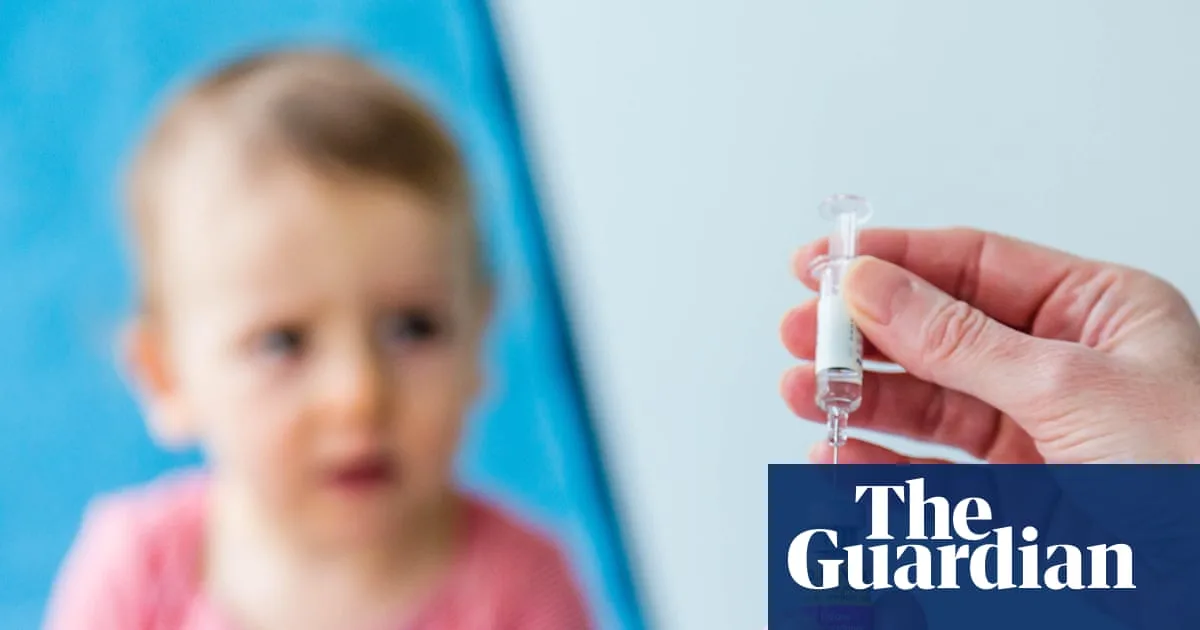
Childhood vaccination rates in Australia have fallen from a record high in 2020, with new research suggesting that a surge in misinformation is fuelling parental hesitancy. A nationally representative survey of over 2,000 parents of children under five, released this week, found that one in seven (14%) had heard something concerning about childhood vaccines recently, including debunked links to autism and disparaging comments from US President Donald Trump.
Dr Jess Kaufman, lead researcher for the National Vaccination Insights project, noted that the information environment amplifies and validates concerns. The survey showed that parents were less accepting of routine childhood vaccines in 2025 than in the previous year. While practical barriers like cost and travel were once the main reasons for not vaccinating, beliefs and concerns about vaccine safety are now more influential. Distrust in healthcare providers rose from 6.4% to 8.8%, and the proportion of parents who do not believe vaccines are safe increased from 6% to 8.3%.
The most significant rise in concerns was among parents of partly vaccinated children. The current vaccination rates for five-year-olds stand at 93.17%, down from the 95% herd immunity target achieved in 2020. For two-year-olds, the rate is 89.57%, and for one-year-olds, 91.54%. The National Immunisation Program provides free vaccines for children from two months to five years, covering 18 diseases including measles, mumps, rubella, and polio.
Experts warn that declining rates increase the risk of outbreaks, particularly for measles, which is highly infectious. Professor Catherine Bennett of Deakin University said that while Australia has so far avoided widespread local transmission, it is “down to luck”. Dr Michael Wright, president of the Royal Australian College of General Practitioners, emphasised that the distress of vaccination is far less than the risk of contracting a preventable disease. The 2025 survey identified feeling distressed about vaccinating as the most common barrier, reported by 32% of parents, though many still chose to vaccinate.




