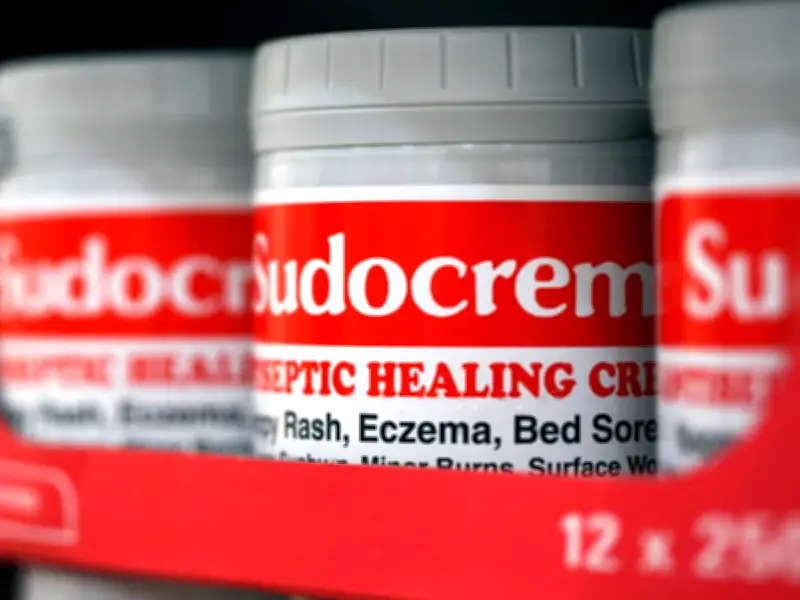
Sudocrem Antiseptic Healing Cream is licensed to treat and heal minor burns and surface wounds, according to the brand. The lesser-known use could be especially helpful for families with children, as many parents rely on the cream primarily for nappy rash.
In a social media post, Sudocrem told Facebook users to ‘stop using this just for nappy rash.’ The caption explained: “Sudocrem Antiseptic Healing Cream is a medicine for minor burns and surface wounds. Always read the label. We all know the grey tub is the go-to for nappy rash. But once the Crawling Era hits, it takes on a whole new job.”
What Sudocrem says
The post adds: “Did you know? Sudocrem Antiseptic Healing Cream isn’t just for nappy rash. It is actually licensed to treat and heal minor burns and surface wounds. So when the speed-crawling leaves a mark, you know exactly what to reach for to help soothe the area.”

More information is available on Sudocrem’s website. It says the cream can be used for acne spots, eczema, chafing, pressure sores, nappy rash, or cuts and grazes. The advice says it helps cuts and grazes as the cream ‘treats and protects the wound’ and ‘minimises the chance of infection’.
How to treat wounds at home
Sudocrem also ‘soothes pain’ and ‘protects with a shielding layer’, according to the product description. The guidance says: “If the bleeding is minimal and the wound superficial, it can typically be treated at home. If the bleeding is heavy or the wound appears deep, seek medical attention immediately. Rinse the wound with water or a sterile wipe, then gently pat dry. Keep an eye on the wound.”
It adds: “Any increase in redness, swelling or warmth, or if it’s just not healing properly, seek medical attention. Carefully apply a thin layer of Sudocrem Antiseptic Healing Cream. Protect the wound with a sterile dressing, such as gauze or a plaster.”
NHS guidance on cuts and grazes
The NHS website says most cuts and grazes can be treated at home, but that a medical professional should treat serious wounds. “You can treat a cut or graze yourself by stopping any bleeding, cleaning the wound, and covering it with a plaster or dressing. This will help stop it getting infected. If it's painful, you can take painkillers such as paracetamol or ibuprofen (but do not give aspirin to children under 16),” the guidance says.
The NHS says you should call 999 or go to A&E if the wound is very large, you cannot stop the bleeding, there’s something stuck in the cut, or you lose feeling near the wound.