
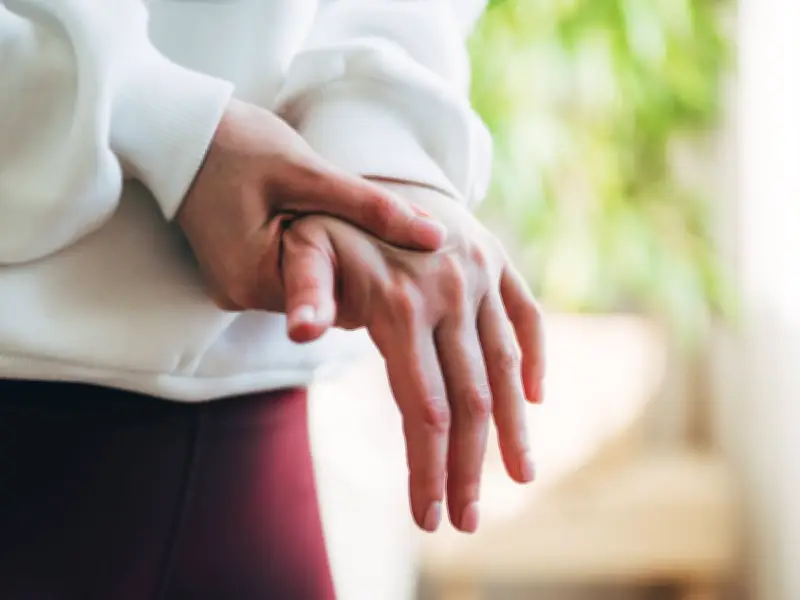
In April 2024, a gardening slip caused a wrist injury initially diagnosed as a bone bruise. Despite ice, pain relief, and splints, pain persisted for four months. The patient was then diagnosed with ulcerative colitis, a chronic inflammatory bowel disease. Extraintestinal complications, including arthritis, affect up to 30% of people with Crohn's disease or ulcerative colitis, according to medical sources.
Two Years of Tests and Misdiagnosis
Over the next two years, pain worsened. Blood tests for rheumatoid arthritis and carpal tunnel syndrome were negative. Finally, an orthopaedic specialist diagnosed De Quervain's tenosynovitis, a condition the patient had never heard of.
What Is De Quervain's Tenosynovitis?
De Quervain's tenosynovitis occurs when two tendons at the base of the thumb and wrist rub together, causing the tendon sheath to swell and thicken. This narrows the sheath, making thumb movement painful. Symptoms include pain near the thumb base, swelling, difficulty gripping, and a catching sensation. Pain can spread to the forearm.
Causes and Risk Factors
Causes include rheumatoid arthritis, wrist injury, or fluid buildup from pregnancy hormones. The patient's original injury likely triggered the condition. Risk factors include being female, aged 30–50, pregnant or breastfeeding, or performing repetitive hand movements like gardening, typing, or sports.
Diagnosis via Finkelstein Test
Diagnosis is straightforward with the Finkelstein test: bend the thumb across the palm, fold fingers over it, then bend the wrist toward the little finger. The patient reported a shooting pain, confirming the condition.
Treatment Options
For mild cases, rest, activity modification, and ice packs (20 minutes every four hours) may help. The NHS recommends a thumb or wrist splint for six weeks. For persistent pain, a steroid injection with local anaesthetic can reduce swelling. The patient's pain eased considerably after the injection, though it can take up to six weeks to work. If ineffective, surgery under local anaesthetic (about 30 minutes) involves a small incision to open the tendon sheath. Those who cannot have surgery may be referred to hand therapy.
If you suspect De Quervain's tenosynovitis, consult your GP for an appointment.




