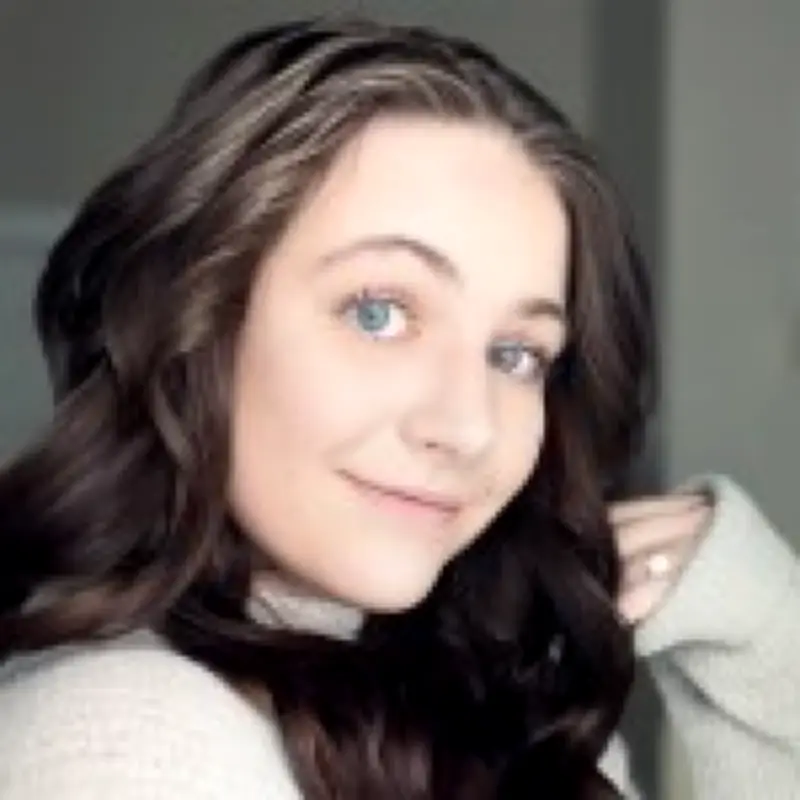
Ashley Zambelli, a 26-year-old mother of four from Macomb, Michigan, was diagnosed with Mosaic Down's syndrome at age 23, after her third child's diagnosis prompted further investigation. The condition, a rare form of Trisomy 21, affects only some of her cells.
A lifetime of unexplained symptoms
Ashley had experienced health issues since childhood, including a high heart rate, dislocating joints, and learning difficulties. She struggled with reading and completing tests in school. Doctors suspected lupus due to her father's history, but that diagnosis was ruled out, and investigations stopped.
It wasn't until her daughter Katherine was born in 2023 that 'alarm bells' rang. Her first pregnancy in 2019 ended in a missed miscarriage, and genetic testing on the tissue revealed the baby had Down's syndrome. Her second daughter, Lillian, now five, also tested positive for Trisomy 21, as did Katherine.
A rare diagnosis confirmed
Ashley's obstetrician referred her to a genetic counselor after three positive results. Blood tests showed no abnormalities, but a buccal smear test finally confirmed Mosaic Down's syndrome, with up to 20 per cent of her cells carrying the extra chromosome.
Mosaic Down's syndrome accounts for about 2 per cent of Down's syndrome cases, but many may go undiagnosed. Research suggests those with the condition may have fewer characteristic features, but broad generalizations are difficult.
Relief and new challenges
Ashley felt 'relief' at the diagnosis, saying it provided answers and access to appropriate help. She believes it has deepened her bond with her children who have Down's syndrome, as she can relate to their processing styles.
However, she has faced skepticism from some doctors who don't believe her diagnosis because she lacks typical facial features. She also notes a lack of medical knowledge about the condition, with some healthcare professionals unaware of it.
Ashley now shares her experience on social media to raise awareness. She says biology professors have used her content in lessons, which she finds 'honoured' but 'weird', as she is not a medical professional.