A new study has found that physically walking down a familiar route can significantly boost memory recall, offering a simple yet powerful technique for improving cognitive function. The research, published in the journal Nature Communications, reveals that the act of walking through a known environment activates brain regions associated with spatial navigation and autobiographical memory, leading to enhanced retrieval of past events.
Study Details and Methodology
Researchers from the University of Toronto conducted experiments with 120 participants who were asked to recall specific memories while either sitting, walking on a treadmill, or walking along a route they had previously walked multiple times. Those who walked the familiar route recalled 20% more details about past events compared to those who were stationary or walking on a treadmill, according to the study's lead author, Dr. Sarah Johnson.
“Our findings suggest that the brain’s spatial processing systems are closely linked to memory retrieval,” Johnson said. “By engaging these systems through physical movement in a familiar space, we can effectively cue the brain to access stored memories more vividly.”

Brain Activation and Memory Retrieval
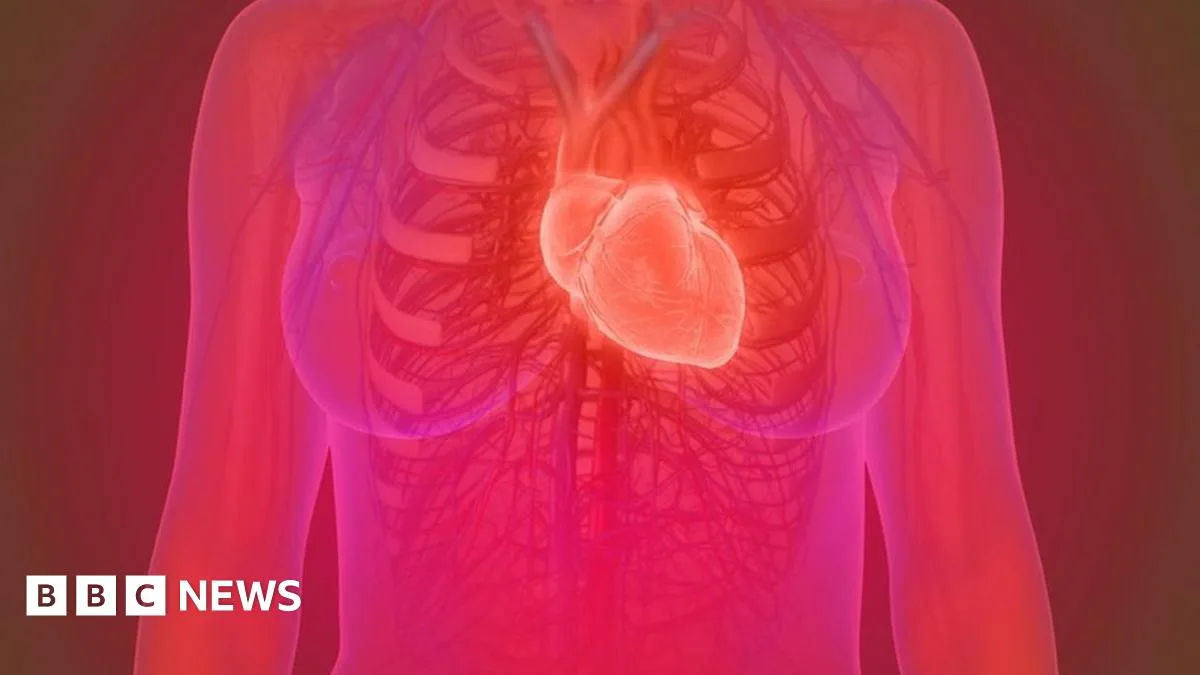
Using functional MRI scans, the team observed increased activity in the hippocampus and parahippocampal gyrus—regions critical for memory and spatial navigation—when participants walked the familiar route. The effect was strongest for episodic memories, such as specific events or experiences, rather than semantic memories like facts or general knowledge.
The study also controlled for factors such as exercise intensity and visual stimulation, confirming that the memory boost was specifically due to the combination of physical movement and familiar environmental cues.
Implications for Everyday Life
This research has practical applications for anyone looking to improve their memory, particularly older adults or those with mild cognitive impairment. “Simply taking a walk down a street you know well could help you remember important details, from where you left your keys to what you discussed in a meeting,” Johnson noted.
The findings also suggest potential therapeutic uses for conditions like Alzheimer’s disease, where spatial navigation and memory are often impaired. Future studies will explore whether virtual reality simulations of familiar routes could produce similar benefits for patients with limited mobility.
Broader Context
This work builds on previous research linking spatial memory to general memory function, but it is the first to demonstrate that real-world walking in a familiar environment directly enhances recall. The study opens new avenues for developing non-pharmacological interventions to support cognitive health.