Breakthrough Salad Crop Delivers Full Daily Vitamin B12 in Single Serving
Millions of people across the United Kingdom are suffering from vitamin B12 deficiency, according to NHS figures, with potentially severe consequences including extreme fatigue, memory problems, and muscle weakness. This widespread nutritional shortfall particularly affects vegans, vegetarians, and those reducing animal product consumption, as B12 is not naturally present in fruits, vegetables, or grains.
Innovative Aeroponic Solution
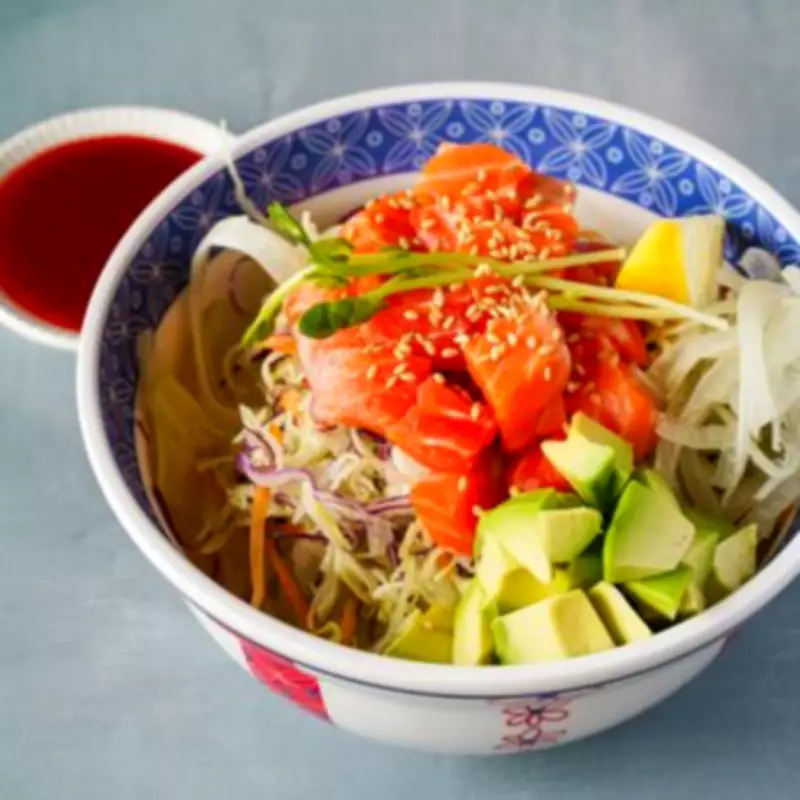
A pioneering research collaboration has now developed a revolutionary solution: pea shoots fortified with the complete recommended daily allowance (RDA) of vitamin B12 in just a 15-gram serving. The partnership between the John Innes Centre, Quadram Institute at Norwich Research Park, the University of Bristol, and indoor farming specialists LettUs Grow utilized advanced aeroponic technology to achieve this nutritional breakthrough.
The fortified pea shoots not only exceeded expectations by delivering more than the RDA in a single salad portion, but researchers confirmed the B12 content remained stable through extended cold storage, maintaining both shelf-life and nutritional value—critical factors for commercial viability.

Scientific Validation and Human Benefits
Simulated human digestion experiments conducted at the Quadram Institute demonstrated that the B12 in these fortified pea shoots is bioaccessible, meaning the vital nutrient can be effectively absorbed into the bloodstream when consumed. This research, published in Communications Biology, represents a commercially viable approach to dietary supplementation that could extend beyond pea shoots to other rapid-cycling salad crops grown in controlled indoor farming environments.
Professor Antony Dodd, group leader at the John Innes Centre and corresponding author of the study, emphasized the significance: "This novel fortification method can be implemented at extremely low cost to growers, providing consumers with an affordable way to supplement their diet with bioavailable vitamin B12."
Addressing a Growing Nutritional Crisis
Vitamin B12 deficiency represents a significant public health concern, with approximately 6% of the UK population clinically deficient and another 44% potentially having insufficient levels. Globally, insufficiency is particularly common among populations consuming limited animal-derived foods and older adults. Symptoms can range from anemia and muscle weakness to psychological, cognitive, and neurological problems.
While tablet-based supplements are widely available, they present challenges: they can be easily forgotten, are less effective when taken without food, and many people prefer receiving nutrients through whole foods rather than pills. With the rise of plant-based diets, researchers identify an "urgent need" for alternative, plant-based B12 sources.
Overcoming Production Challenges
One major obstacle has been the prohibitive cost of commercial B12 production. As the most structurally complex nutrient, exclusively produced by bacteria, traditional chemical synthesis is impossible. Current production requires vast bacterial cultures, making B12 exceptionally expensive—costing up to £20,000 per kilogram, approximately one-third the price of gold, with 90% of global production occurring in China.
The research team overcame this through innovative aeroponic technology developed by LettUs Grow. By delivering a B12-fortified nutrient solution directly to pea shoot roots via aerosol during the eight-day cultivation period, plants absorbed cyanocobalamin—the most bioavailable form of B12—through their natural nutrient transport systems.
Commercial Viability and Future Applications
The aeroponic method allows precise control over expensive vitamin application, making production both efficient and cost-effective. Researchers estimate that adding B12 to bags of pea shoots or mixed salads would cost consumers less than 1p additional per serving.

Dr. Bethany Eldridge, first author of the study, highlighted the approach's elegance: "The beauty of this work is how it marries high tech and low tech in such a cost-effective way. Pea shoots are literal sponges for B12, while vertical farms provide controllable environments for tailored nutrient uptake."
The team is now exploring commercial delivery methods and adapting the technique for both vertical farms and traditional horticultural glasshouses. This innovation offers a rapid, sustainable solution to "hidden hunger"—where people consume sufficient calories but lack essential nutrients—and could benefit those taking appetite-suppressing medications who risk nutritional deficiencies.
Dr. Jonathan Clarke, Head of Business Development at the John Innes Centre, summarized the achievement: "The solution came not through engineering the plant but by simply exploiting its natural ability to take up B12 when applied. This innovative, multidisciplinary approach highlights the strength of our partnerships."